
Acne Vulgaris
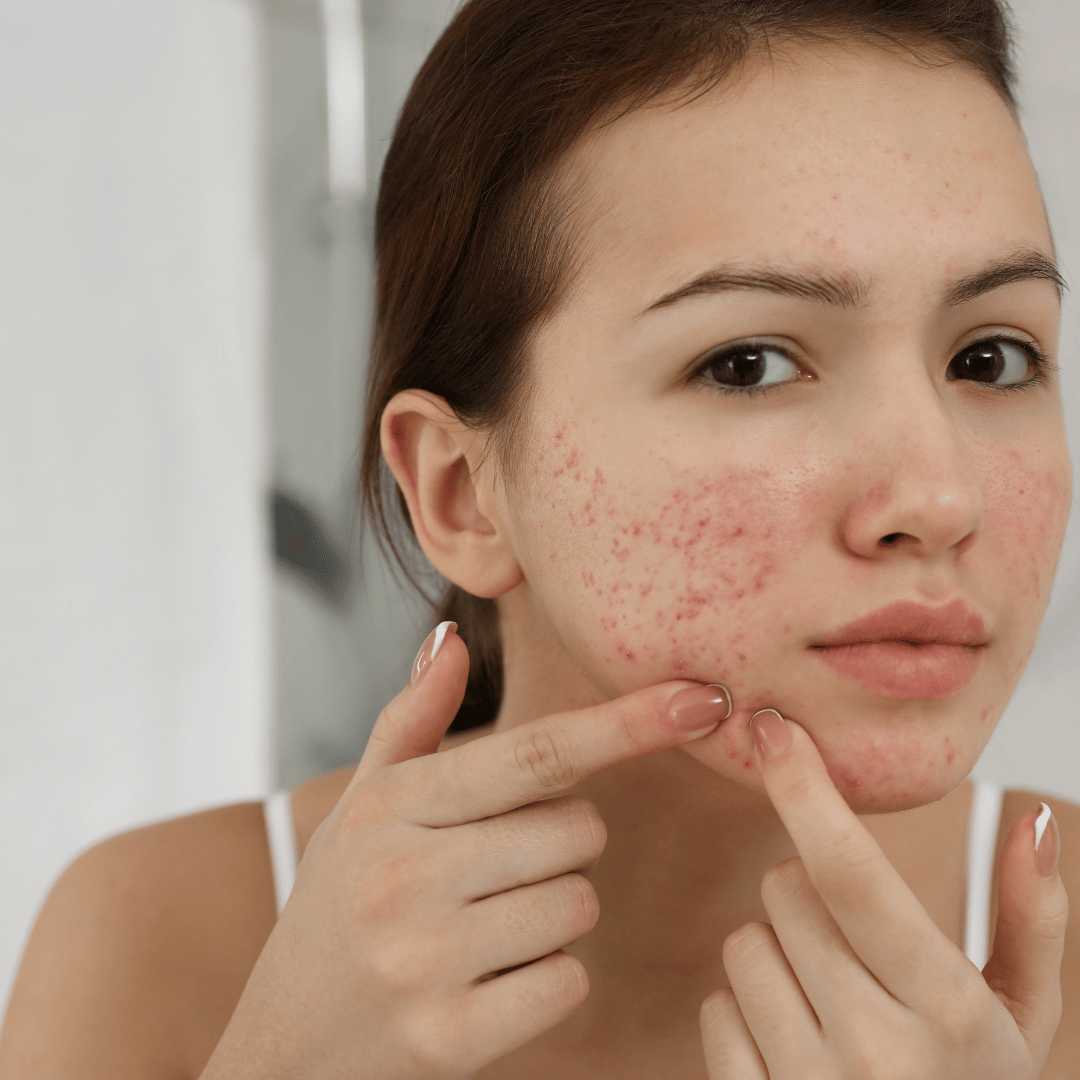
We approach acne as the complex biological condition it is, targeting its underlying pathogenic pathways rather than treating the surface alone. Every plan is tailored to the individual, built around their skin, their history, and what will actually work.

MEDICAL GROUP
The Spierings Medical Group provides consultant-led, evidence-based management of acne vulgaris for patients at every stage of the condition. Acne is a medical disorder, and delayed or inadequate treatment can result in both physical scarring and lasting psychological impact.
What is acne vulgaris?
Acne vulgaris is a chronic inflammatory condition of the pilosebaceous unit, involving the hair follicle and its associated sebaceous gland. While frequently associated with adolescence, it is not confined to this stage of life and often persists into adulthood.
Rather than a transient or purely cosmetic concern, acne represents a complex biological disorder. As highlighted by Dr. Natalia Spierings in Skintelligent, it should be approached as a medical condition requiring structured, evidence-based management.
What Causes Acne Vulgaris?
The pathogenesis of acne is multifactorial, driven by the interaction of several key processes within the follicular environment. Abnormal keratinocyte behaviour leads to impaired shedding of skin cells, resulting in follicular obstruction. This is compounded by increased sebum production, typically influenced by hormonal activity. Within this occluded environment, Cutibacterium acnes proliferates, contributing to local inflammation. The immune response that follows gives rise to the redness, swelling, and discomfort characteristic of inflammatory lesions.
These mechanisms operate simultaneously, reinforcing one another and contributing to both the onset and persistence of disease.
Clinical Presentation and Lesion Types
From a clinical perspective, acne is best understood by distinguishing between non-inflammatory and inflammatory lesions.
- Non-inflammatory lesions, or comedones, arise from follicular blockage without significant immune activation. Open comedones (blackheads) appear dark due to oxidation of keratinous material at the skin surface, whereas closed comedones (whiteheads) remain covered by epithelium and retain a lighter appearance.
- Inflammatory lesions develop when the follicular wall becomes compromised, triggering an immune response. Early lesions present as papules and pustules, while deeper involvement leads to nodules and cysts. These deeper forms are clinically significant due to their association with dermal damage and an increased risk of permanent scarring.
How is acne vulgaris treated?
Acne is a medical disorder, and delayed or inadequate treatment can result in both physical scarring and psychological impact. Management is therefore directed at the underlying pathogenic pathways rather than surface lesions alone.
- Topical Therapy - For mild to moderate acne, topical treatment remains the foundation of care. Retinoids such as tretinoin and adapalene play a central role by normalising epidermal turnover and preventing the formation of new comedones. Benzoyl peroxide provides effective antimicrobial activity against C. acnes without contributing to bacterial resistance. Clinical evidence consistently supports the use of combination therapy, as targeting multiple pathways yields superior outcomes.
- Systemic Intervention - In cases of moderate to severe, widespread, or treatment-resistant acne, systemic therapy is often required. Hormonal treatments are particularly effective in patients with androgen-driven sebaceous activity. Oral antibiotics may be introduced for their anti-inflammatory effects, though their use is intentionally time-limited to preserve microbiome integrity.
Oral isotretinoin remains the most comprehensive therapeutic option, uniquely addressing all major pathogenic mechanisms. Due to its potency, it is reserved for severe or scarring acne and requires careful medical supervision.
Effective acne management extends beyond prescription therapy. A disciplined, evidence-based approach to skincare is essential to support treatment outcomes. A simplified routine consisting of a gentle cleanser, a targeted active treatment, and consistent photoprotection is both sufficient and optimal in most cases. The addition of multiple non-essential products often introduces unnecessary irritants, which may exacerbate inflammation rather than improve skin health.
Moisturiser use should be guided by individual skin physiology and environmental factors. In patients with oily skin or those living in humid climates, excessive or occlusive formulations may contribute to further follicular congestion.
Sun protection remains a critical component of care. Many therapeutic agents increase photosensitivity, and unprotected ultraviolet exposure can worsen both active acne and post-inflammatory pigmentation.
Acne management requires consistency, patience, and adherence to a scientifically grounded treatment plan. Meaningful improvement typically develops over several weeks, with long-term maintenance necessary to sustain results and prevent recurrence.
With a structured, evidence-based approach, itis possible to effectively control disease activity, minimise complications, and restore long-term skin clarity.

Choosingtherightdoctororclinicshouldn'tfeelrushed.
If you have a question or want to know more before booking, just ask!