
Facial Redness
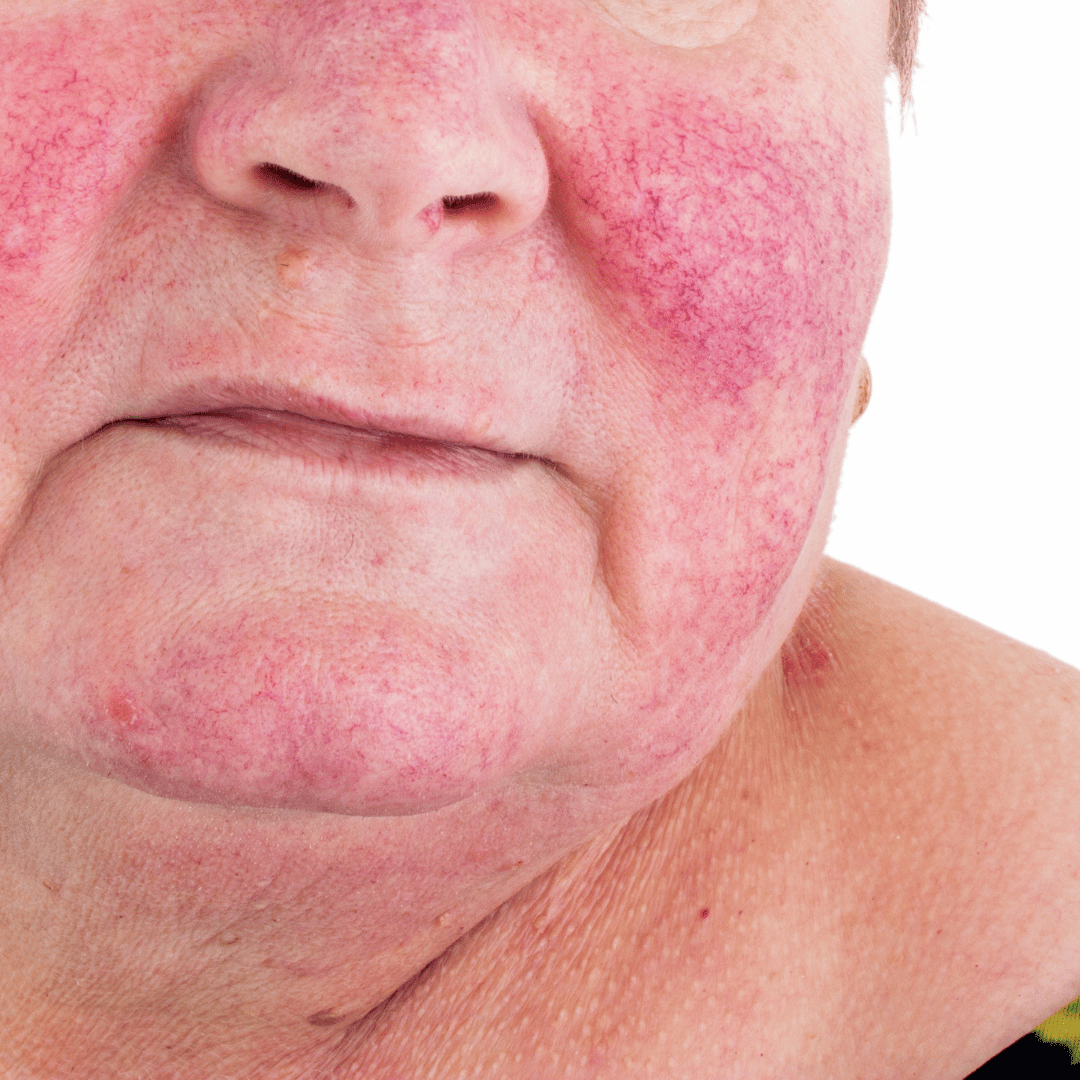
A structured, diagnosis-led approach is essential to determine the underlying cause and guide the most appropriate management. We do not treat redness as a surface problem. We look at what is driving it and address that directly.

MEDICAL GROUP
The Spierings Medical Group provides specialist assessment and management of facial redness, offering consultant-led care for patients with persistent erythema, flushing, or visible superficial blood vessels. Facial redness frequently reflects underlying vascular, inflammatory, or barrier-related dysfunction rather than a purely cosmetic concern.
What is Facial Redness?
Facial redness, or erythema, is a common dermatological concern characterised by visible flushing, diffuse redness, or prominent superficial blood vessels. While often perceived as a cosmetic issue, persistent facial redness frequently reflects underlying vascular, inflammatory, or barrier-related dysfunction.
It may present as a primary condition or as a feature of other dermatological disorders, most notably rosacea. A structured, diagnosis-led approach is therefore essential to determine the underlying cause and guide appropriate management. Cutaneous redness is primarily driven by changes in the superficial vascular network of the skin. Dilatation of small blood vessels increases blood flow to the surface, resulting in visible erythema. In susceptible individuals, this vascular response becomes exaggerated or persistent. Contributing mechanisms may include neurovascular dysregulation, chronic inflammation, and impairment of the skin barrier.
Clinical Patterns of Facial Redness
Facial redness does not represent a single diagnosis but rather a spectrum of clinical presentations.
- Transient flushing is characterised by episodic redness, often triggered by heat, emotion, or environmental changes. While initially temporary, repeated episodes may lead to more persistent vascular changes over time.
- Persistent erythema presents as continuous background redness, most commonly affecting the central face. This pattern is frequently associated with vascular instability and may coexist with conditions such as rosacea.
- Telangiectasia refers to visibly dilated superficial blood vessels, often described as broken capillaries. These develop as a result of chronic vascular dilation and loss of vessel elasticity.
- Inflammatory redness may accompany underlying dermatological conditions, where erythema is driven by immune-mediated processes rather than vascular changes alone.
What Causes Facial Redness?
Facial redness is multifactorial, with both intrinsic and extrinsic contributors:
- Vascular hyper-reactivity, leading to exaggerated and prolonged vasodilation
- Chronic inflammatory conditions, particularly rosacea
- Epidermal barrier dysfunction, increasing sensitivity to external stimuli
- Environmental triggers, including ultraviolet exposure, temperature extremes, and wind
- Topical irritants, such as fragrances, alcohol-based products, or harsh exfoliants
- Lifestyle factors, including alcohol consumption, stress, and dietary triggers
How is Facial Redness Treated?
Management of facial redness depends on identifying and addressing the underlying mechanism. A combination of barrier repair, trigger avoidance, and targeted intervention is typically required.
- Topical Therapy - Topical treatments are used to reduce inflammation and improve skin tolerance. In cases associated with rosacea or sensitive skin, agents such as azelaic acid or anti-inflammatory formulations may be introduced to stabilize the skin environment.
- Laser and Light-Based Therapy - For persistent erythema and visible telangiectasia, vascular laser treatments remain the most effective intervention. Devices such as pulsed dye laser or intense pulsed light selectively target dilated vessels, reducing redness that is not responsive to topical therapy.
- Systemic Considerations - Where redness is linked to inflammatory dermatoses, systemic therapy may be required to control the underlying condition. This is particularly relevant in moderate to severe rosacea, where oral anti-inflammatory agents may be indicated.
- Adjunctive Skincare and Photoprotection - A simplified, non-irritating skincare routine is fundamental. Harsh cleansers, physical scrubs, and fragranced products should be avoided, as they may perpetuate barrier disruption and vascular reactivity. Daily photoprotection is essential. Ultraviolet exposure contributes to both vascular dilation and long-term skin sensitivity, making high-SPF, broad-spectrum sunscreen a critical component of management.
Facial redness is often chronic and influenced by both biological predisposition and environmental exposure. While complete resolution may not always be achievable, significant and sustained improvement is possible with a structured, evidence-based approach. Long-term management focuses on maintaining vascular stability, preventing progression, and supporting overall skin function resulting in a more even and controlled complexion.

Choosingtherightdoctororclinicshouldn'tfeelrushed.
If you have a question or want to know more before booking, just ask!