
Fungal Nail Infection (Onychomycosis)
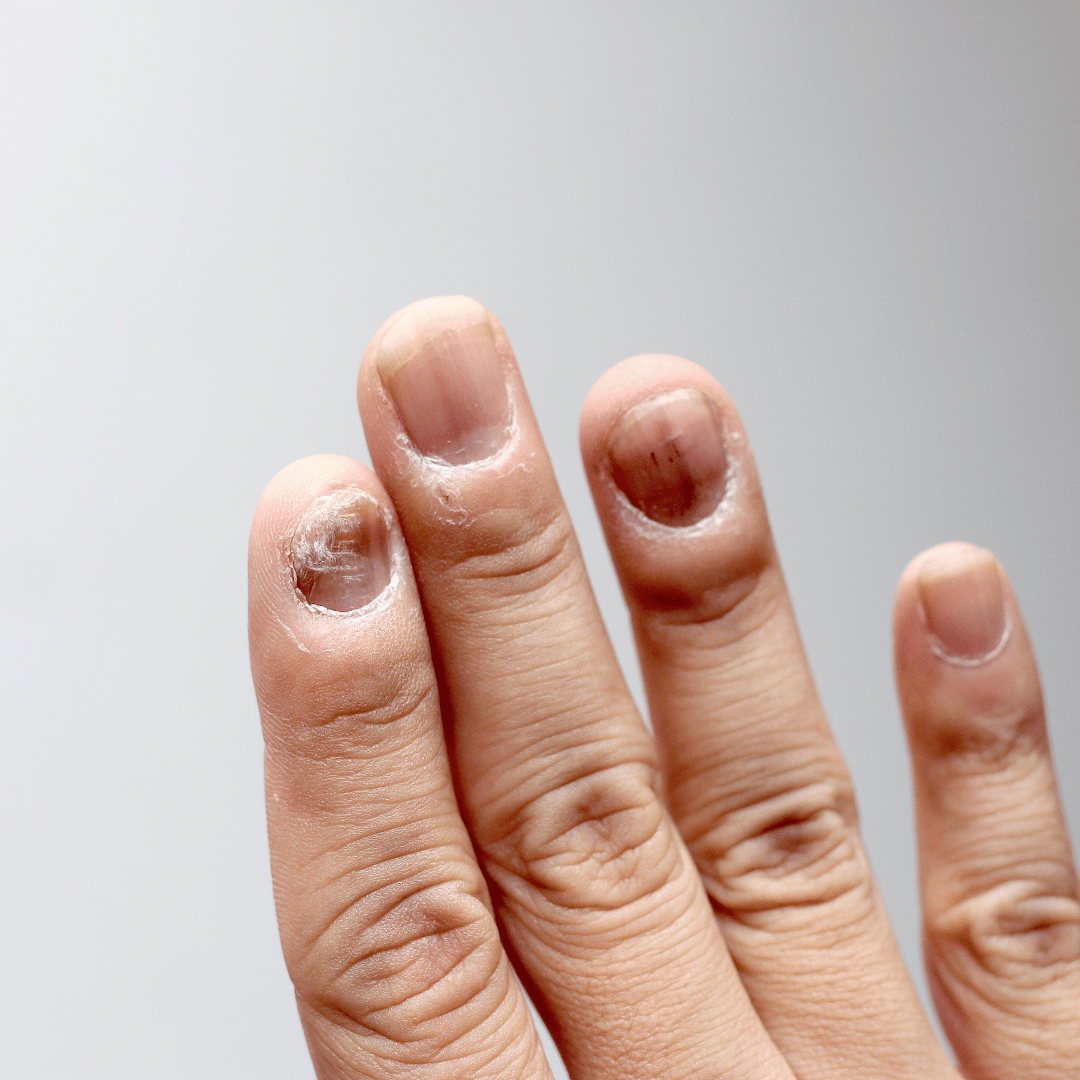
We approach fungal nail infection with the same clinical rigour we apply to any other skin condition, ensuring the diagnosis is confirmed before treatment begins and that the management plan is appropriate, evidence-based, and realistic about expected timelines.

MEDICAL GROUP
The Spierings Medical Group provides specialist diagnosis and treatment of fungal nail infection, offering consultant-led care for patients with onychomycosis affecting the toenails or fingernails. Fungal nail infection is a persistent condition that does not resolve spontaneously and typically requires medical treatment guided by the extent of involvement and individual patient factors.
What is Fungal Nail Infection (Onychomycosis)?
Fungal nail infection, medically termed onychomycosis, is a chronic infection of the nail unit caused by dermatophytes, yeasts, or non-dermatophyte molds. It most commonly affects the toenails, although fingernails may also be involved.
Clinically, it presents with nail discolouration, thickening, brittleness, and separation from the nail bed. While often perceived as a minor cosmetic concern, onychomycosis is a persistent infectious condition that can progress without appropriate treatment. The nail unit provides an environment conducive to fungal growth particularly in warm, moist conditions. Fungi invade the keratin of the nail plate and bed, leading to progressive structural damage. Unlike superficial skin infections, the dense, slow-growing nature of the nail plate makes treatment more complex. Once established, the infection disrupts normal nail formation, resulting in thickened, distorted, and discoloured nails.
Clinical Types of Onychomycosis
Onychomycosis presents in several distinct clinical patterns, depending on the route and extent of fungal invasion.
- Distal Lateral Subungual Onychomycosis - The most common form, beginning at the distal or lateral edge of the nail and progressing proximally. It is characterised by subungual debris, discolouration, and onycholysis (separation of the nail from the bed).
- Superficial White Onychomycosis - A less common presentation involving direct invasion of the superficial nail plate. It appears as white, chalky patches on the nail surface, which may be scraped off.
- Proximal Subungual Onychomycosis - Infection begins near the cuticle and spreads distally. This pattern is less common and may be associated with underlying systemic or immunological factors.
- Total Dystrophic Onychomycosis - Represents advanced disease, where the entire nail unit is affected. The nail becomes markedly thickened, brittle, and structurally distorted.
What Causes Fungal Nail Infection?
Onychomycosis develops when fungal organisms gain access to the nail unit, often through minor trauma or compromised nail integrity. Several factors increase susceptibility:
- Warm, humid environments, particularly prolonged occlusion (e.g., closed footwear)
- Advancing age, associated with slower nail growth and reduced immunity
- Nail trauma or pre-existing nail disease
- Concurrent fungal skin infections, such as athlete's foot
- Systemic conditions, including diabetes or immunosuppression
These factors create an environment that supports fungal colonisation and persistence.
How is Fungal Nail Infection Treated?
Fungal nail infection does not resolve spontaneously and typically requires medical treatment. Management is guided by the extent of involvement, number of nails affected, and patient-specific factors.
- Topical Therapy - Topical antifungal agents may be effective in mild or early disease, particularly when involvement is limited to the superficial nail or distal edge. However, penetration through the nail plate is often limited, reducing efficacy in more advanced cases.
- Systemic Antifungal Therapy - Oral antifungal medications remain the most effective treatment for established onychomycosis. Agents such as terbinafine or itraconazole target fungal organisms at the source, achieving significantly higher cure rates compared to topical therapy. Treatment duration is prolonged, typically several months, reflecting the slow growth rate of nails.
- Adjunctive and Procedural Care - In selected cases, mechanical or chemical nail debridement may be used to reduce fungal load and improve penetration of topical or systemic therapies. Laser treatments are sometimes marketed for fungal nails; however, current clinical evidence remains limited, and these modalities are not considered first-line therapy in evidence-based practice.
- Adjunctive Nail Care and Prevention - Effective management extends beyond pharmacological treatment. Preventative strategies are essential to reduce recurrence:
- Maintaining dry, well-ventilated footwear
- Treating concurrent fungal skin infections
- Avoiding repeated nail trauma
Onychomycosis requires patience and adherence to treatment. Visible improvement occurs gradually as the affected nail grows out and is replaced by healthy tissue. Recurrence is not uncommon, particularly if predisposing factors persist. Long-term success depends on a combination of effective treatment, preventive care, and ongoing monitoring. With a structured, evidence-based approach, fungal nail infection can be successfully managed restoring both nail health and function.

Choosingtherightdoctororclinicshouldn'tfeelrushed.
If you have a question or want to know more before booking, just ask!