
Dark Undereye Circles
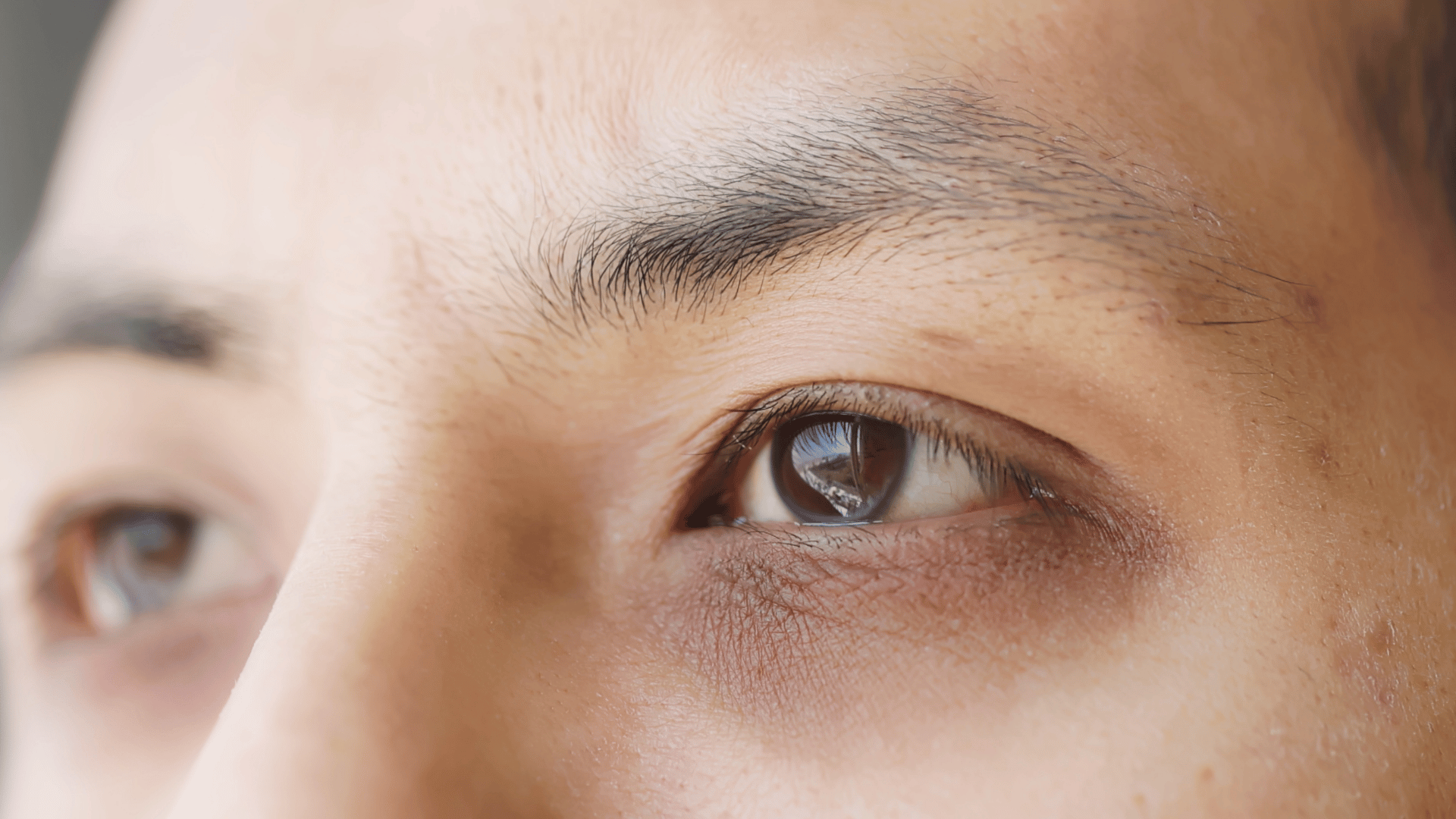
Before recommending any treatment, we identify the underlying cause and discuss the evidence, expected results, and limitations so that you can make an informed decision.

MEDICAL GROUP
The Spierings Medical Group provides specialist assessment and treatment of dark under-eye circles, offering consultant-led care for patients who want to understand what is causing their concern and receive a treatment recommendation that is genuinely appropriate for them. Dark circles are one of the most common aesthetic concerns we see — and one of the most frequently mistreated, because the cause is not always what it appears to be.
Understanding Dark Under-Eye Circles
Dark circles can look similar on the surface but have very different underlying causes. Identifying what is actually driving the appearance is the essential first step — because the wrong treatment for the wrong cause will not help, and in some cases may make things worse.
The most common causes include thin or ageing under-eye skin, where the dermis has become fine enough to allow the underlying structures to show through. Vascular circles — blue or purple in tone — occur when blood vessels beneath the skin are visible due to skin thinning or increased vessel prominence. Pigmentation, whether genetic or acquired through sun exposure or post-inflammatory change, produces a brown discolouration that responds differently to treatment than vascular circles. Volume loss in the tear trough area creates a shadow effect that can mimic true pigmentation. In many patients, more than one of these factors is present at the same time.
What Makes This Difficult to Treat
Because dark circles have multiple possible causes, there is no single treatment that works for everyone. Treatments that address thin skin and collagen loss will not correct structural volume loss. Filler placed in a patient whose primary problem is pigmentation will not produce meaningful improvement. This is why accurate assessment before any intervention is not optional — it is the foundation of a result that actually helps.
How We Approach Treatment
We begin by identifying the primary cause of your dark circles through a thorough clinical assessment. Depending on what we find, treatment options may include regenerative polynucleotide injections such as Plinest® Eyes to improve skin quality and thickness, medical-grade skincare targeting pigmentation, laser or light-based treatment, tear trough filler in carefully selected patients where volume loss is the dominant factor, or onward referral for surgical assessment where appropriate.
Dark under-eye circles are a multifactorial condition — often caused not only by pigmentation but by thin, translucent skin revealing underlying blood vessels, combined with reduced dermal thickness and structural shadowing from volume loss. Plinest is a polynucleotide-based injectable that improves skin regeneration, hydration, and dermal density, directly addressing the biological causes of vascular show-through and skin fragility.
Who is this for?
Particularly suitable for adults with:
- Dark circles related to thin or translucent skin
- Dull, tired, or shadowed under-eye appearance
- Fine lines or crepey texture under the eyes
- A preference for improving skin quality rather than adding volume
Best suited where pigment and skin thinning are the dominant causes, rather than deep structural hollowing. May be combined with other treatments for significant pigmentation or volume loss.
How it works
Plinest delivers polynucleotides into the superficial dermis of the under-eye area. These molecules stimulate fibroblast activity, promoting collagen production, improving dermal thickness, and enhancing hydration and microcirculation. By strengthening and thickening the skin, Plinest reduces light transmission —making underlying blood vessels less visible and improving the overall brightness and quality of the under-eye zone.
Clinically Proven Benefits
- Improves dark circles caused by thin, translucent skin
- Enhances dermal thickness and reduces translucency
- Improves skin texture
- Reduces fine lines and crepeyskin
- Enhances hydration and radiance
- Suitable for the delicateperiorbital area
- Natural, non-volumising results
What to Expect
PAIN LEVEL
Mild discomfort. Topical anaesthetic applied for comfort.
DOWNTIME
Minimal. Small raised areas at injection sites visible for 24–48 hours.
SESSIONS
A course of 2–4 sessions typically recommended.
SESSION LENGTH
Approximately 20–30 minutes.
FIRST RESULTS
Gradual improvement over several weeks; optimal after completing the course.
MAINTENANCE
Every 4–6 months to sustain results.
Preparation After Care
BEFORE TREATMENT
- Avoid alcohol and blood-thinning medications
- Ensure no active skin infections in the area
AFTER TREATMENT
- Do not touch or massage the area
- Avoid strenuous activity for 24 hours
- Follow specific aftercare instructions provided
Clinical Insight
Dark under-eye circles are best approached as a diagnostic condition, not a single cosmetic concern. Plinest works by improving the biological quality and structure of the skin — reducing translucency and enhancing brightness over time. It is part of a medically guided approach focused on long-term skin health, not quick fixes.

Choosingtherightdoctororclinicshouldn'tfeelrushed.
If you have a question or want to know more before booking, just ask!