
Venous Leg Ulcers
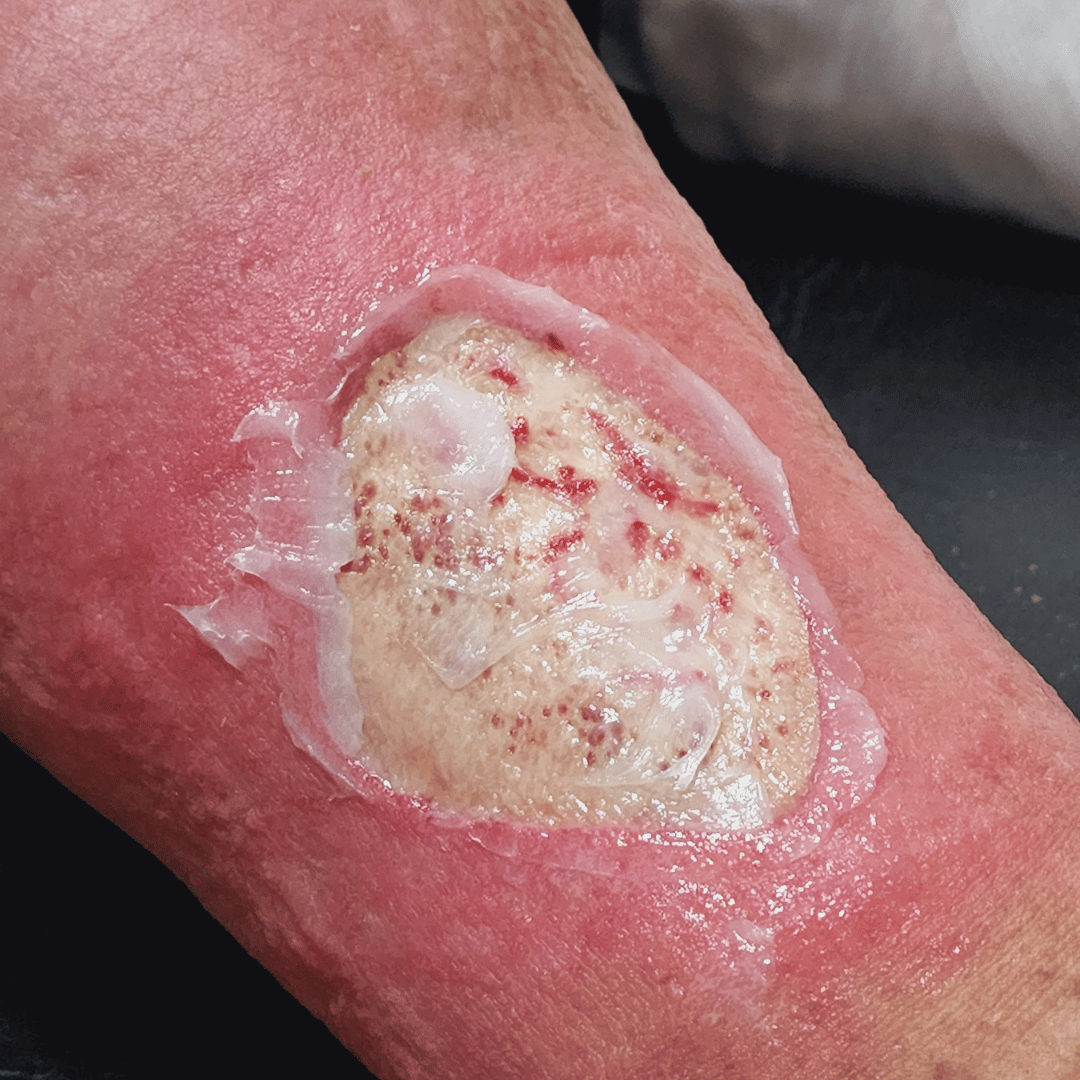
The key is accurate diagnosis, appropriate compression, and consistent clinical management from a specialist who understands both the wound and the underlying venous condition driving it.

MEDICAL GROUP
The Spierings Medical Group provides specialist venous leg ulcer treatment, offering clinical and consultant-led assessment and evidence-based care for patients with venous leg ulcers that are slow to heal, recurring, or poorly managed. Venous leg ulcers are the most common type of chronic leg ulcer — and with the right treatment, the majority can heal successfully.
Understanding Venous Leg Ulcers
Venous leg ulcers occur as a result of sustained high pressure in the veins of the lower leg, typically caused by venous insufficiency, a condition in which the valves within the leg veins no longer function effectively. This leads to blood pooling and increased pressure in the tissues, which over time damages the skin and creates conditions that make ulceration likely.
These ulcers are typically located on the inner aspect of the lower leg above the ankle. They are often shallow, irregularly shaped, and surrounded by skin showing signs of chronic venous change including haemosiderin staining, lipodermatosclerosis, and eczema. They can be painful, malodorous, and significantly impact daily life and self-confidence.
The cornerstone of treatment is compression therapy, but it must be applied at the right pressure and only after confirming that arterial blood supply to the limb is adequate. Without proper assessment, compression can cause serious harm. Specialist oversight is not optional here. It is essential.
Our Approach
We begin every assessment with a thorough evaluation including wound assessment, vascular assessment, and a full review of relevant medical history. We apply compression therapy correctly and consistently, select dressings appropriate to the clinical presentation, and monitor progress with regular review.
We also address the underlying venous disease where possible and coordinate with vascular specialists when surgical or interventional management may improve outcomes. Our goal is not only to heal the ulcer but to reduce the likelihood of it returning.


Choosingtherightdoctororclinicshouldn'tfeelrushed.
If you have a question or want to know more before booking, just ask!