
Subcision for Acne Scars
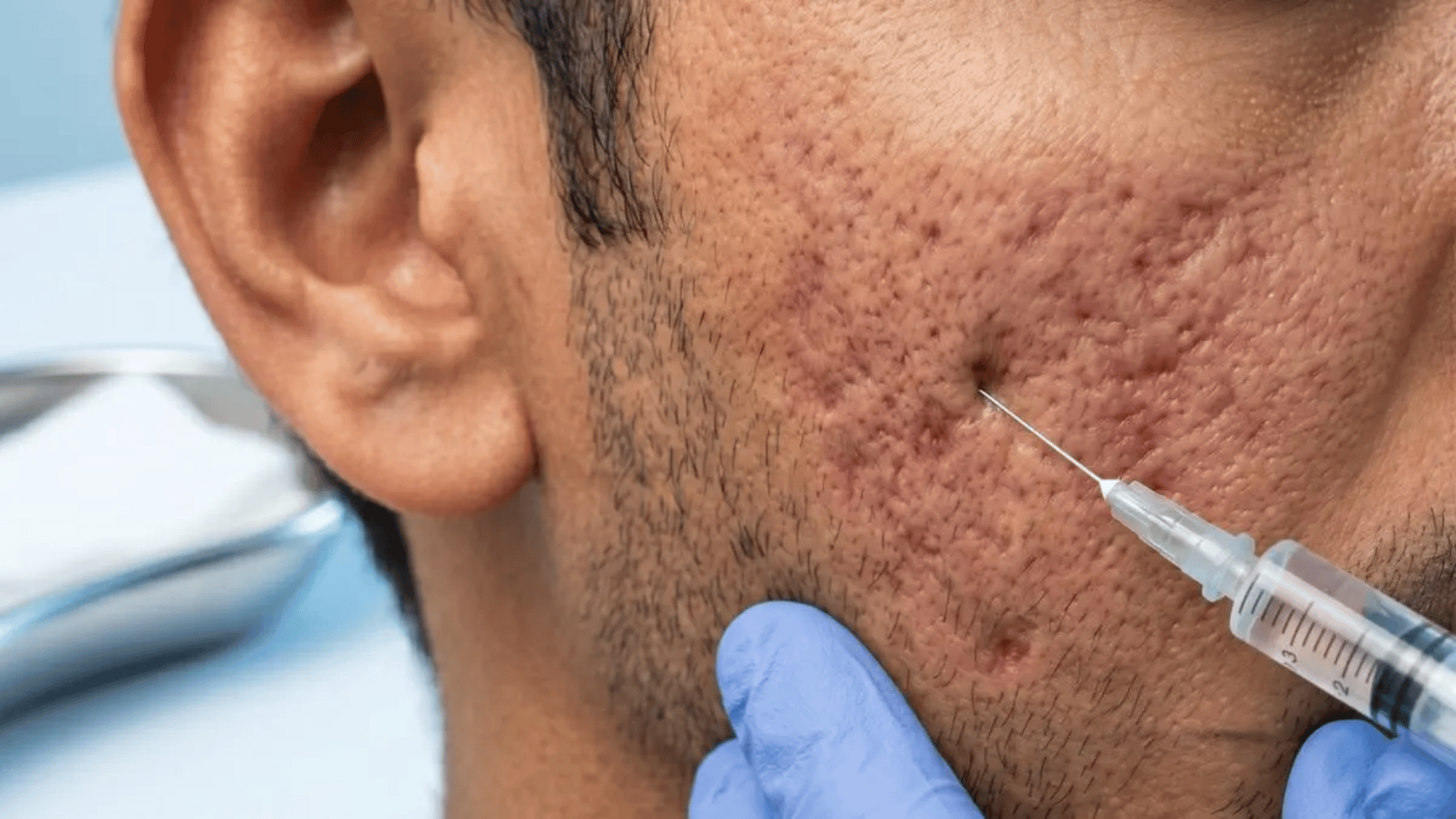
Not all acne scars are surface problems — many are structural. Subcision directly targets the mechanical component of scarring, which is why it is often the essential first step in a comprehensive scar treatment plan before resurfacing procedures are introduced.

MEDICAL GROUP
The Spierings Medical Group offers subcision as part of a comprehensive approach to acne scar treatment. Subcision is a minor surgical procedure designed to treat depressed acne scars — specifically rolling scars caused by fibrous bands that tether the skin downward. By mechanically releasing these bands, the skin is freed to lift and recontour, while a controlled wound-healing response stimulates new collagen formation over time.
Targeting Acne Scars at Their Structural Root
Subcision is a minor surgical procedure designed to treat depressed acne scars — specifically rolling scars caused by fibrous bands that tether the skin downward. By mechanically releasing these bands, the skin is freed to lift and recontour. It also triggers a controlled wound-healing response that stimulates new collagen formation over time.
Who is This For?
Subcision is most effective for rolling acne scars — broad depressions with soft edges, tethered or bound-down scars, and uneven skin texture not responding to surface-level treatments.
It is less effective for ice pick scars, raised hypertrophic or keloid scars, or very superficial textural changes. Accurate scar assessment is essential before treatment.
How it Works
A fine needle or blunt cannula is inserted beneath the skin. The practitioner moves it in a controlled pattern to break the fibrous bands anchoring the scar downward. This creates a small, controlled injury beneath the surface — triggering the body's natural collagen-building response. Improvement is therefore both immediate (release of tethering) and progressive (collagen remodelling over weeks to months).
Clinically Proven Benefits
- Targets the underlying structural cause of rolling scars
- Immediate visible lifting of tethered tissue
- Stimulates natural collagen production
- Can be combined with fillers, microneedling, or laser for enhanced results
- Minimally invasive with relatively short recovery
What to Expect
- Pain level: Local anaesthetic is used. Pressure or movement is felt, but pain is usually minimal.
- Downtime: Bruising and swelling typically 5 to 10 days. Normal activities resume within a few days.
- Sessions: Usually 1 to 3 sessions depending on scar severity, spaced 4 to 8 weeks apart to allow full healing.
- Session length: Approximately 20 to 45 minutes.
- First results: Some improvement is immediate; optimal results over 4 to 12 weeks as collagen develops.
Preparation and Aftercare
Before treatment:
- Avoid blood-thinning medications if medically appropriate
- Ensure no active infections or inflammation in the area
- Follow pre-procedure advice from your dermatologist
After treatment:
- Expect bruising — it is part of the healing process
- Avoid strenuous activity for 24 to 48 hours
- Do not massage the area unless instructed
- Use sun protection to reduce pigmentation risk
Clinical Insight
Not all acne scars are surface problems — many are structural. Subcision directly targets the mechanical component of scarring, which is why it is often the essential first step in a comprehensive scar treatment plan, before resurfacing procedures are introduced.

Choosingtherightdoctororclinicshouldn'tfeelrushed.
If you have a question or want to know more before booking, just ask!