
Rosacea
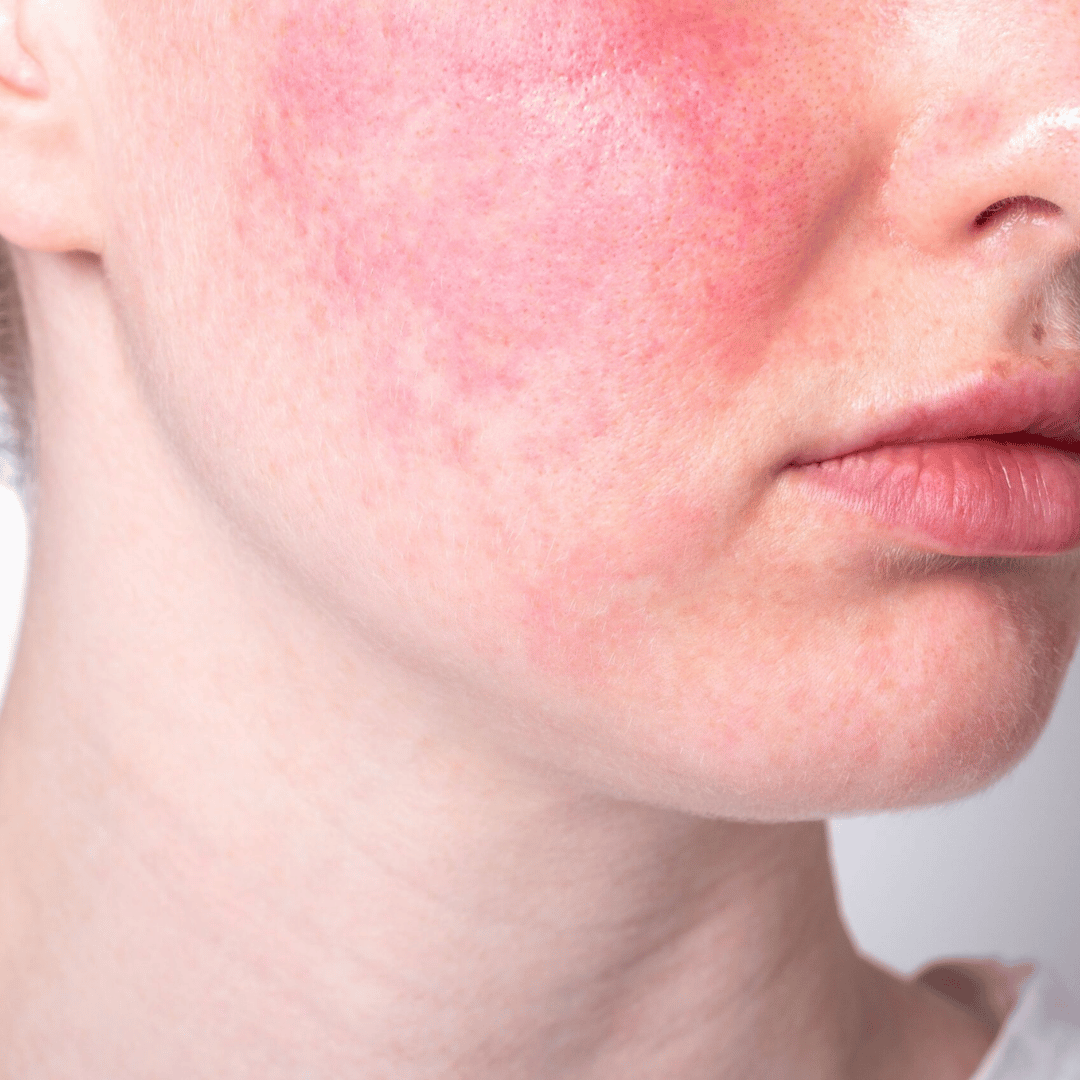
We take a structured, evidence-based approach to rosacea management, combining trigger identification, targeted therapy, and long-term skin barrier support to reduce flares and maintain lasting disease control.

MEDICAL GROUP
The Spierings Medical Group offers specialist diagnosis and management of rosacea, providing consultant-led care for patients across all clinical subtypes. Rosacea is a chronic inflammatory skin disorder that is frequently misdiagnosed as adult acne or sensitive skin, and distinguishing it correctly is essential to choosing the right treatment.
What is Rosacea?
Rosacea is a chronic inflammatory skin disorder primarily affecting the central face, including the cheeks, nose, chin, and forehead. It is characterized by persistent redness, visible blood vessels, and, in some cases, inflammatory lesions that may resemble acne.
Unlike transient flushing, rosacea reflects a sustained dysregulation of cutaneous vascular and inflammatory pathways. It is frequently misdiagnosed as adult acne or sensitive skin however, key clinical distinctions exist. Notably, rosacea lacks comedones and typically spares the perioral and periocular regions, features that differentiate it from acne vulgaris.
What Causes Rosacea?
he pathophysiology of rosacea is complex and not yet fully defined. Current evidence suggests a multifactorial process involving neurovascular dysregulation, immune system activation, and barrier dysfunction.
Emerging data, including insights highlighted by Dr. Natalia Spierings in Skintelligent, points toward cellular stress particularly involving the endoplasmic reticulum as a contributing factor. This dysregulation initiates a cascade of inflammatory and vascular responses within the skin.
Additional contributing mechanisms include:
- Vascular hyper-reactivity resulting in persistent vasodilation and visible erythema
- Microbiome imbalance, including an exaggerated inflammatory response to Demodex mites
- Epidermal barrier impairment, allowing environmental triggers to amplify inflammation
These processes interact to produce the clinical features observed in rosacea.
Clinical Subtypes of Rosacea
Rosacea presents in distinct clinical patterns, each reflecting a different dominant pathway of disease.
- Erythematotelangiectatic Rosacea - Characterised by persistent facial redness and visible telangiectasia. Patients often report sensations of heat, stinging, or skin sensitivity.
- Papulopustular Rosacea - An inflammatory subtype presenting with erythema accompanied by papules and pustules. Although often mistaken for acne, the absence of comedones remains a defining feature.
- Phymatous Rosacea - A less common but clinically significant subtype involving progressive thickening and textural change of the skin. It most frequently affects the nose (rhinophyma), leading to a bulbous contour.
- Ocular Rosacea - Involves the eyes and eyelids, presenting with irritation, redness, and a characteristic gritty sensation. Ocular involvement may occur independently or alongside cutaneous signs.
What Triggers Rosacea?
Rosacea is characterized by heightened skin reactivity, with individual triggers capable of precipitating or exacerbating symptoms. Common triggers include:
- Ultraviolet exposure and temperature extremes
- Emotional stress and alcohol consumption
- Spicy foods and certain dietary factors
- Topical irritants such as fragranced products or harsh cleansers
- Hormonal fluctuations in certain individuals
Identification and avoidance of personal triggers form a critical component of long-term management.
How is Rosacea Treated?
Rosacea management is centred on reducing inflammation, stabilising vascular responses, and restoring skin barrier integrity. A structured, evidence-based approach is essential.Topical Therapy - First-line treatment often includes topical agents such as metronidazole, azelaic acid, or ivermectin. These therapies act by reducing inflammation and, in the case of ivermectin, targeting Demodex-associated pathways.
- Laser and Light-Based Therapy - For persistent erythema and telangiectasia, vascular laser treatments such as pulsed dye laser or intense pulsed light (IPL) are considered the gold standard. These modalities selectively target and collapse dilated blood vessels that are not responsive to topical therapy.
- Systemic Intervention - In inflammatory rosacea, oral therapies may be introduced. Low-dose antibiotics are used primarily for their anti-inflammatory effects rather than antimicrobial action. Low-dose isotretinoin may be considered in selected cases, particularly where there is significant inflammatory activity or refractory disease, with the added benefit of improving baseline erythema.
- Procedural Management - In advanced phymatous rosacea, procedural interventions such as electrosurgery or laser resurfacing may be required to correct tissue overgrowth and restore normal contours.
- Adjunctive Skincare and Photoprotection - Effective management begins with elimination of exacerbating factors. A simplified skincare routine free from physical exfoliants, fragrances, and harsh surfactants is essential to minimise irritation. Daily photoprotection is a non-negotiable component of care. Ultraviolet exposure remains one of the most consistent and potent triggers for rosacea flares, making high-SPF, broad-spectrum sunscreen a fundamental part of treatment. Barrier repair and maintenance are central to long-term disease control, supporting the skin's resilience against environmental and intrinsic triggers.
Rosacea is a chronic condition with a relapsing course. While it cannot be cured, it can be effectively controlled through a combination of trigger management, targeted therapy, and consistent skincare. Early recognition and intervention improve long-term outcomes, reducing the risk of progression and persistent vascular changes.

Choosingtherightdoctororclinicshouldn'tfeelrushed.
If you have a question or want to know more before booking, just ask!