
Mole Checks
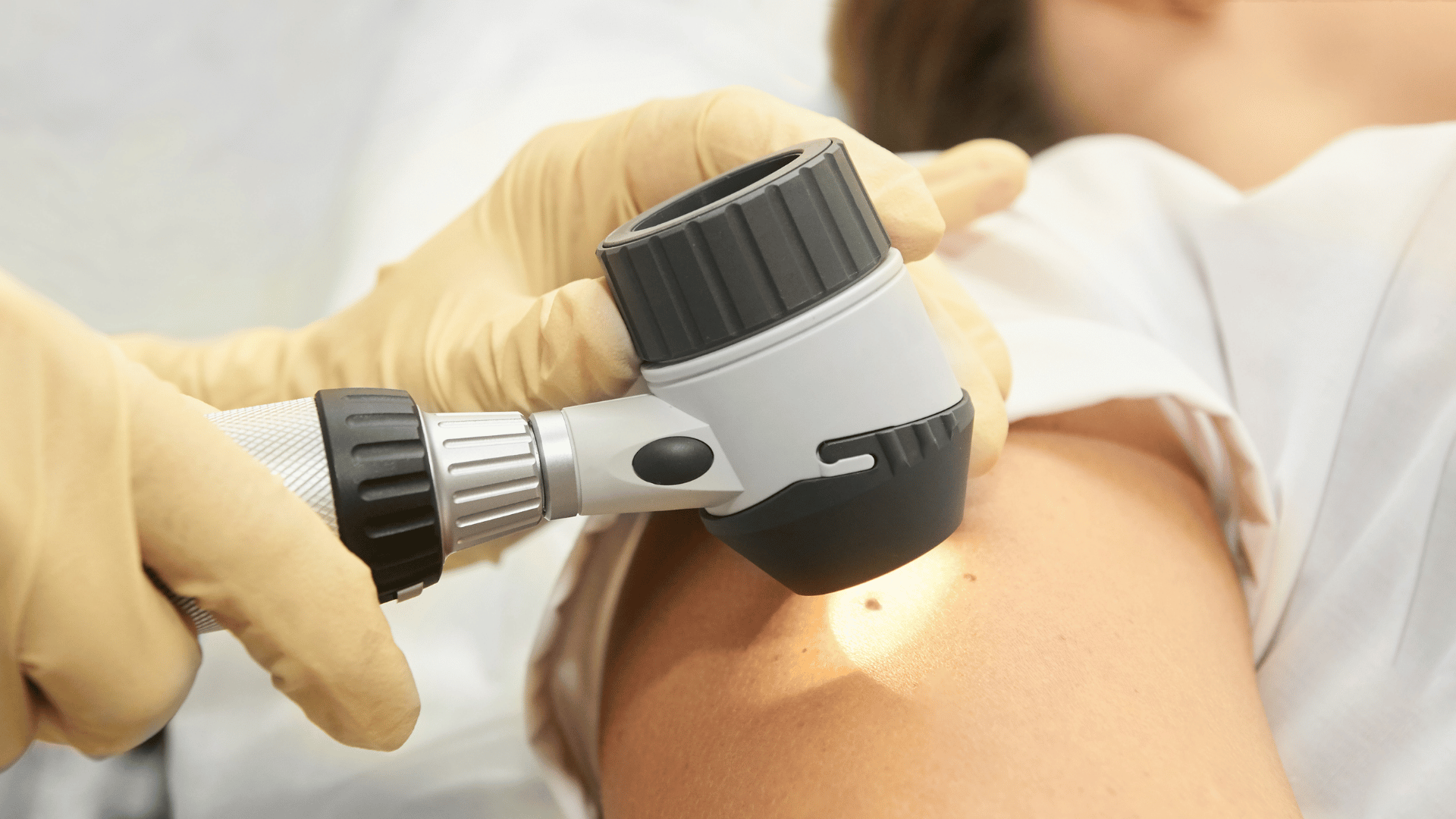
The goal is not to remove every mole, but to identify which lesions need attention and which can be safely monitored. Evidence-based, proportionate care.

MEDICAL GROUP
The Spierings Medical Group provides specialist mole checks, offering structured clinical and dermoscopic examination of moles and pigmented lesions to detect signs of skin cancer or pre-cancerous change. Using the ABCDE criteria alongside dermoscopy — a non-invasive technique revealing skin structures invisible to the naked eye — this is not a casual visual scan but a rigorous, evidence-based evaluation.
Early Detection Saves Lives. Every Check Matters.
A mole check is a structured clinical examination of moles and pigmented lesions to detect signs of skin cancer or pre-cancerous change. Using the ABCDE criteria (Asymmetry, Border, Colour, Diameter, Evolution) alongside dermoscopy — a non-invasive technique revealing skin structures invisible to the naked eye — this is not a casual visual scan but a rigorous, evidence-based evaluation.
Who is This For?
Recommended for adults who:
- Have multiple moles or atypical-looking moles
- Notice changes in size, shape, colour, or sensation of a mole
- Have a personal or family history of skin cancer
- Have a history of significant sun exposure or sunburn
- Want routine skin surveillance and reassurance
Particularly important for individuals at higher risk of melanoma.
How it Works
A systematic examination of the skin by a trained medical professional, including:
- Visual inspection of all moles and pigmented lesions
- Dermoscopy to assess subsurface structures
- Identification of suspicious or atypical features
- Documentation and photographic monitoring where appropriate
If a lesion appears concerning, the next step may be short-term monitoring for change, or biopsy and surgical removal for histological analysis — guided by evidence, not guesswork.
Clinically Proven Benefits
- Early detection of melanoma and other skin cancers
- Identification of atypical or changing moles
- Reassurance for benign lesions
- Personalised skin monitoring strategy
- Non-invasive in most cases
What to Expect
- Pain level: None. Visual and dermoscopic — completely pain-free.
- Downtime: None for the examination. Depends on any subsequent procedure.
- Sessions: Varies by individual risk — one-off or regular monitoring.
- Session length: Approximately 15 to 30 minutes depending on lesion count.
- Results: Initial findings discussed immediately. Biopsy results in 1 to 2 weeks if needed.
- Frequency: Low risk: as needed. Higher risk: annually or as advised.
Preparation and Aftercare
Before your appointment:
- Avoid heavy makeup or nail polish (nails may also be examined)
- Note any changes — timing and symptoms
- Be ready to point out specific lesions of concern
After your appointment:
- Follow all monitoring or treatment advice provided
- If a biopsy is performed, follow wound care instructions carefully
Clinical Insight
Skin cancer often develops silently in its early stages. A structured mole check identifies concerning changes through clinical expertise — not guesswork. The goal is not to remove every mole, but to identify which lesions need attention and which can be safely monitored. Evidence-based, proportionate care.

Choosingtherightdoctororclinicshouldn'tfeelrushed.
If you have a question or want to know more before booking, just ask!