
Epidermoid Cysts
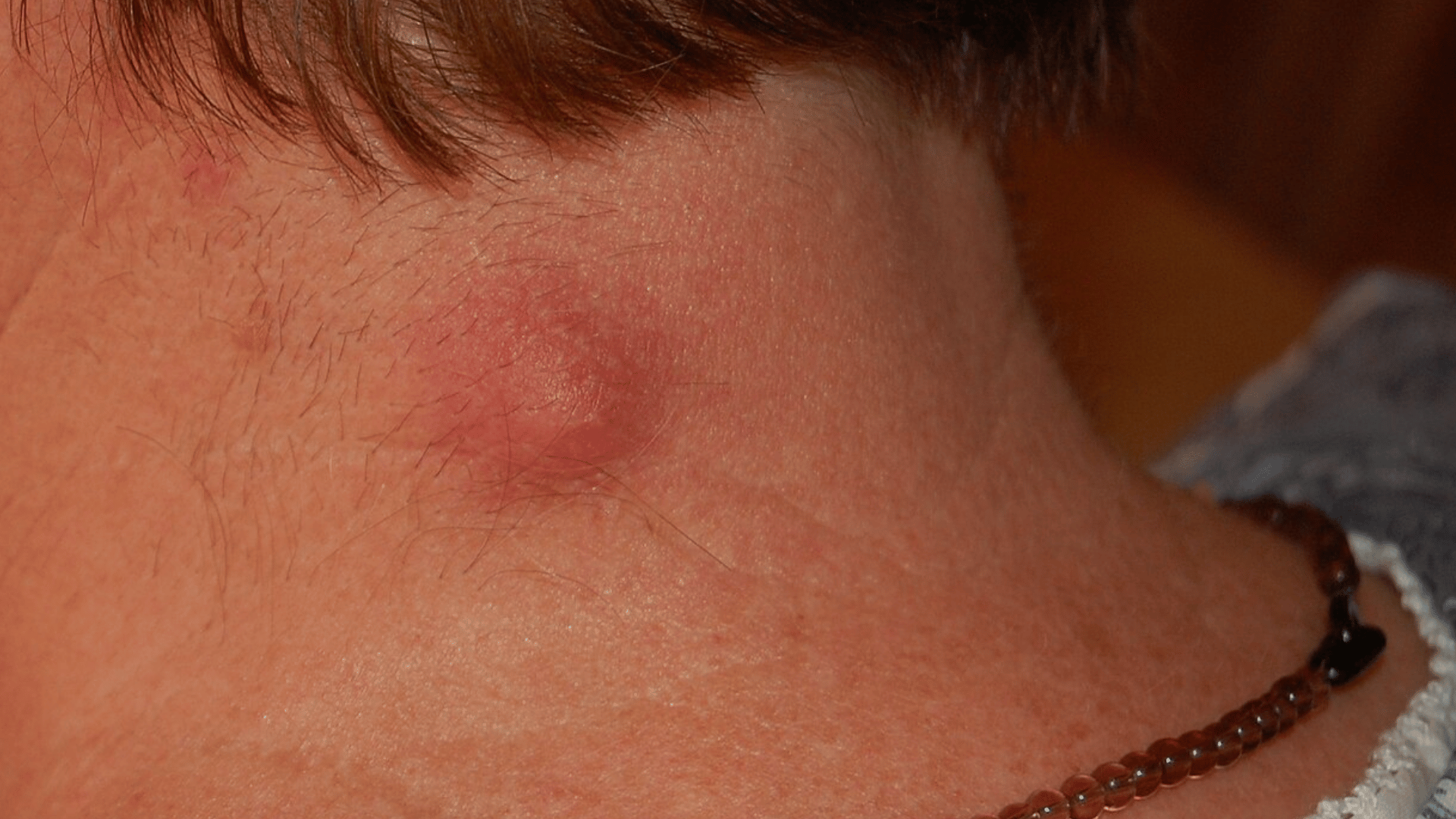
We assess each cyst carefully, manage acute inflammation where present, and plan elective surgical excision at the right time to give the best possible outcome and the lowest risk of recurrence.

MEDICAL GROUP
The Spierings Medical Group provides specialist assessment and surgical removal of epidermoid cysts, offering consultant-led diagnosis and complete excision for patients with cysts that are growing, repeatedly inflaming, or causing concern. Epidermoid cysts are one of the most common benign skin lesions encountered in dermatological practice, and while they are entirely benign, they require proper assessment and, where appropriate, skilled surgical management.
Understanding, Recognising, and Managing One of Dermatology's Most Common Benign Lesions
An epidermoid cyst develops beneath the skin when keratinocytes — cells that ordinarily migrate to the skin surface and shed — become trapped within the deeper dermal layers. These displaced cells continue producing keratin, which accumulates within the cyst cavity to form a firm, often cheese-like mass.
They most frequently appear on the face, neck, scalp, upper trunk, and back — presenting as smooth, rounded nodules beneath the skin surface, characteristically featuring a central punctum: a visible blocked follicular opening.
Causes and Contributing Factors
- Blocked pilosebaceous (hair follicle) units — the most common mechanism
- Previous skin trauma or puncture injury
- Acne-prone skin — particularly comedonal acne
- Genetic predisposition
- Inherited syndromes — including Gardner syndrome and Gorlin syndrome
Clinical Features
Uncomplicated epidermoid cysts typically present as:
- A smooth, rounded, well-defined lump beneath the skin
- Slow enlargement over months to years
- A visible central punctum — a key diagnostic clue
- Mobile beneath the overlying skin on palpation
- Painless — unless inflamed or infected
When Inflamed or Infected
The cyst wall is vulnerable to rupture, triggering a localised inflammatory response. An inflamed epidermoid cyst presents with erythema, warmth, rapid enlargement, and tenderness — and may discharge keratinous or purulent material. Prompt clinical management is important, as untreated inflammation can complicate subsequent surgical removal.
Triggers of inflammation include:
- Spontaneous rupture of the cyst wall — the most common cause
- Repeated mechanical trauma or friction to the overlying skin
- Secondary bacterial colonisation or infection
Management Options
- Observation: Small, asymptomatic cysts with no history of inflammation may be safely observed. Many remain stable over long periods without requiring intervention.
- Acute Inflammation Management: Anti-inflammatory medications, antibiotics where infection is confirmed, or careful drainage to relieve acute symptoms. Drainage alone does not remove the cyst wall and carries a higher recurrence risk.
- Surgical Excision: The Gold Standard. Complete removal of both the cyst contents and the entire cyst wall offers the lowest recurrence rate. Elective excision of a quiescent cyst is preferable to emergency intervention during active inflammation, when tissue planes are distorted and complete removal is more difficult.
- Long-Term Outlook: Epidermoid cysts are entirely benign. Malignant transformation is exceptionally rare. With skilled surgical excision and early management of recurrently inflamed cysts, the long-term outlook is excellent.

Choosingtherightdoctororclinicshouldn'tfeelrushed.
If you have a question or want to know more before booking, just ask!