
Tretinoin
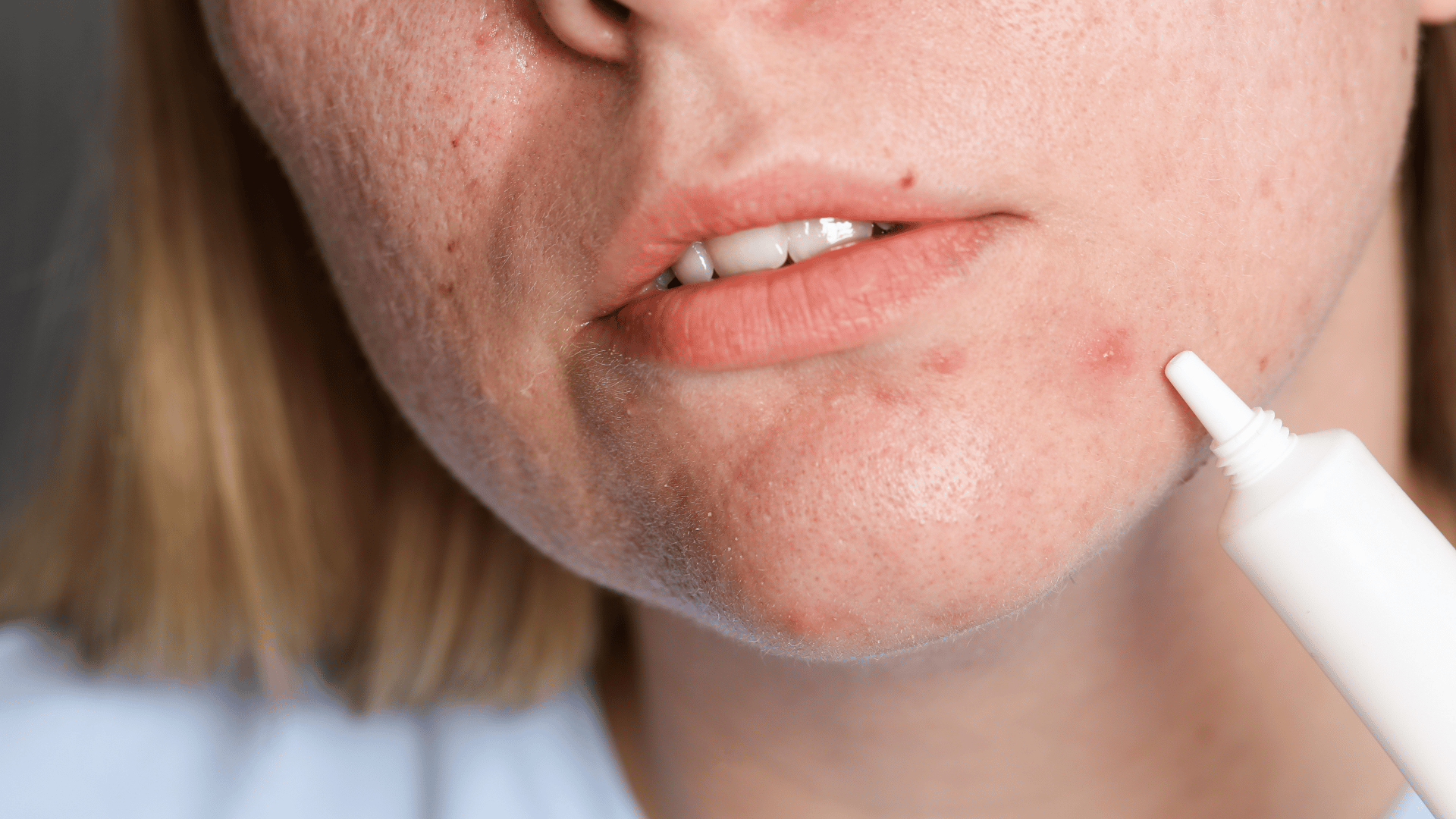
Tretinoin is best viewed as a long-term, functional treatment for skin health — normalising how skin behaves at a cellular level. The aim is consistent, controlled use that leads to sustained improvement over time, with realistic expectations and careful management of the initial adjustment phase.

MEDICAL GROUP
The Spierings Medical Group prescribes tretinoin as part of a consultant-led approach to skin health, offering evidence-based topical retinoid therapy for acne, pigmentation, uneven skin texture, and early signs of photoageing. Unlike cosmetic retinol products, tretinoin is an active, prescription-strength medication with well-established clinical effects on the structure and function of skin, studied for decades.
Prescription-Strength Skin Renewal — One of Dermatology's Most Evidence-Backed Tools
Tretinoin is a topical retinoid (vitamin A derivative) that directly influences skin cell turnover and collagen production. Unlike cosmetic retinol products, tretinoin is an active, prescription-strength medication with well-established clinical effects on the structure and function of skin. It is used to treat acne, pigmentation, and early signs of photoageing — and has been studied for decades.
Who is This For?
Suitable for individuals who:
- Have acne (comedonal and inflammatory types)
- Have uneven skin texture
- Show early signs of photoageing — fine lines, dullness
- Prefer a long-term, evidence-based topical treatment
May not suit very sensitive or compromised skin without gradual introduction. Not recommended during pregnancy or breastfeeding. Medical consultation is important.
How it Works
Tretinoin binds to retinoic acid receptors in skin cells, triggering multiple biological effects:
- Increased skin cell turnover
- Prevention of pore-clogging (comedone formation)
- Reduced acne inflammation
- Stimulated collagen production in the dermis
These effects are gradual but clinically meaningful — tretinoin normalises how skin behaves at a cellular level, producing sustained improvement rather than temporary surface change.
Clinically Proven Benefits
- Effective treatment for acne
- Improves skin texture and tone
- Reduces fine lines associated with photoageing
- Helps fade hyperpigmentation
- Long-term skin normalisation
- Decades of strong clinical evidence
What to Expect
- Pain level: None, though some mild irritation or stinging during the initial phase.
- Downtime: None, though visible dryness or peeling during the adjustment period is common.
- Acne improvement: Typically within 6 to 12 weeks.
- Pigmentation and texture: Gradual improvement over 3 to 6 months.
- Frequency: Applied at night, starting 2 to 3 times per week, increasing as tolerated.
Risks and Considerations
An initial retinisation phase is expected as the skin adapts — dryness, peeling, and redness are common and temporary. Effects are dose- and frequency-dependent: more is not better. Overuse increases irritation without improving results. Sun sensitivity is increased, requiring strict photoprotection throughout.
Preparation and During Treatment
Before treatment:
- Begin with lower frequency to allow skin adaptation
- Avoid combining with other potentially irritating products initially
During treatment:
- Use a gentle cleanser and moisturiser
- Apply a pea-sized amount to dry skin only
- Avoid over-application
- Daily broad-spectrum sunscreen is non-negotiable
Clinical Insight
Tretinoin is often misunderstood as a quick cosmetic solution. It is better viewed as a long-term, functional treatment for skin health — normalising how skin behaves at a cellular level. The aim is consistent, controlled use that leads to sustained improvement over time, with realistic expectations and careful management of the initial adjustment phase.

Choosingtherightdoctororclinicshouldn'tfeelrushed.
If you have a question or want to know more before booking, just ask!