
Lipomas
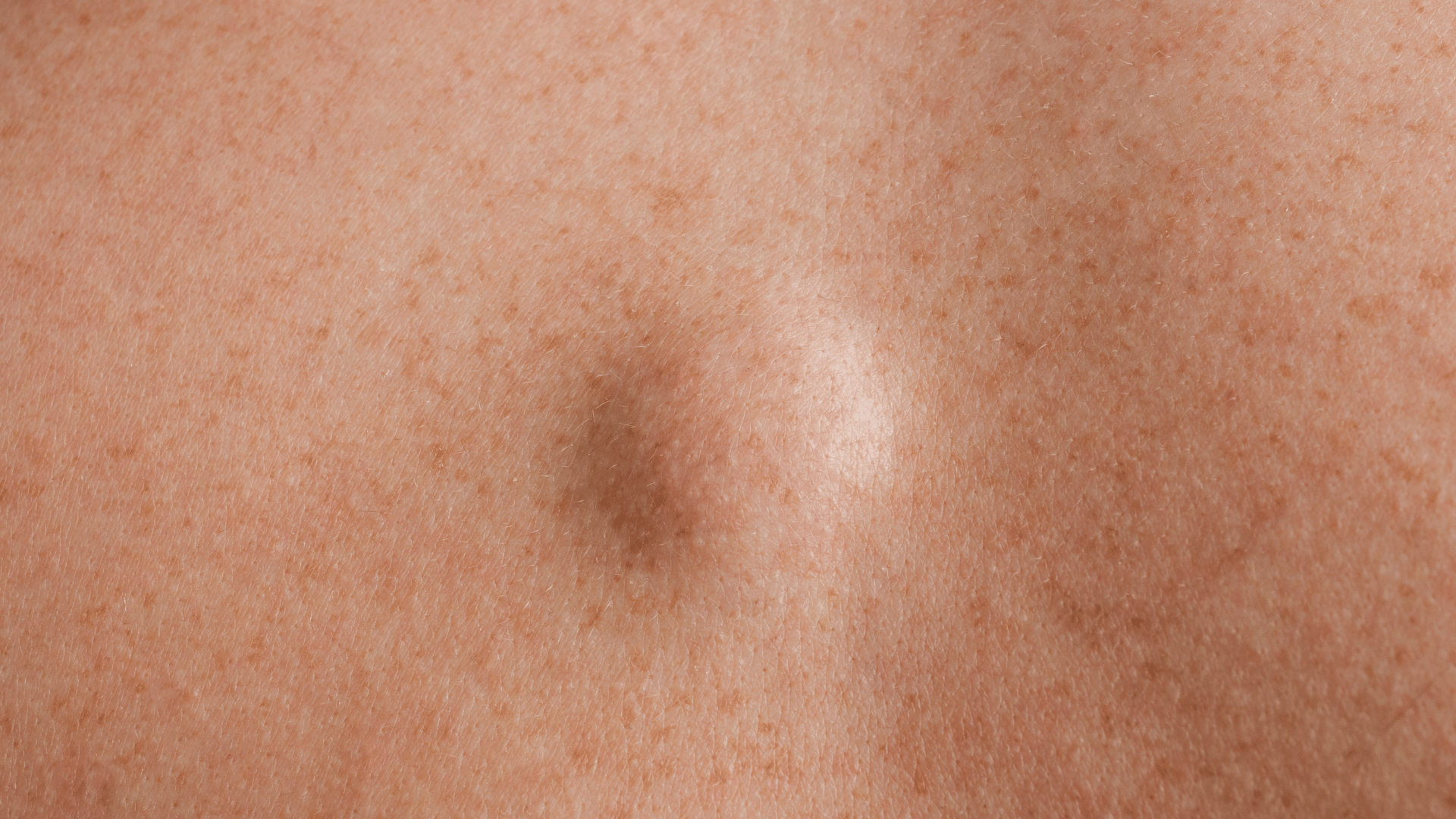
We assess each lump carefully, confirm the diagnosis, and recommend the most appropriate course of action — whether that is reassurance and monitoring, or straightforward surgical excision under local anaesthetic as an outpatient procedure.

MEDICAL GROUP
The Spierings Medical Group provides specialist assessment and surgical removal of lipomas, offering consultant-led diagnosis and excision for patients with soft tissue lumps that require evaluation or removal. Lipomas are among the most frequently encountered benign soft tissue lesions, and the vast majority pose no threat to health. However, any new or changing lump deserves proper clinical assessment before a management decision is made.
A Common Benign Soft Tissue Growth — What You Need to Know
A lipoma is a benign tumour composed of mature adipocytes — fat cells — enclosed within a thin fibrous capsule. Presenting as a soft, mobile, painless subcutaneous lump, it is among the most frequently encountered benign soft tissue lesions in clinical practice.
Lipomas grow slowly over months to years and the vast majority pose no threat to health. They most commonly arise on the neck, shoulders, upper back, arms, and thighs — though they can appear almost anywhere adipose tissue exists.
What Causes Lipomas?
The precise cause remains incompletely understood, with current evidence strongly implicating genetic factors. Crucially, lipomas are not caused by lifestyle, diet, or body weight — a widespread misconception. Contributing factors include:
- Family history of lipomas — familial clustering is well recognised
- Inherited syndromes such as familial multiple lipomatosis
- Rare association with prior local trauma (evidence remains limited)
- Advancing age — peak incidence between 40 and 60 years
Clinical Features
Lipomas possess several characteristic features that typically allow confident clinical diagnosis:
- Soft, doughy, or rubbery consistency — distinctive to palpation
- Freely mobile beneath the overlying skin
- Well-defined, smooth, regular borders
- Painless in the vast majority of cases
- Slow, progressive enlargement — often over years
Most present between 1 and 5 cm at assessment, though larger lesions occur and may occasionally warrant imaging.
When Should a Lipoma Be Assessed?
Seek professional evaluation if your lump:
- Grows rapidly over a short period
- Becomes painful or tender
- Feels firm or is fixed to underlying structures
- Appears suddenly without gradual onset
- Exceeds several centimetres in diameter
- Causes functional limitation or pressure symptoms
These characteristics may indicate an alternative diagnosis — including rarer lesions such as liposarcoma — requiring ultrasound or MRI and specialist assessment.
Management Options
- Observation: Most lipomas require no treatment. When asymptomatic, stable, and confidently diagnosed, active monitoring is entirely appropriate.
- Surgical Excision: Definitive treatment. Complete excision — removing both fatty tissue and surrounding fibrous capsule — minimises recurrence risk. Performed under local anaesthesia as an outpatient procedure with an excellent safety profile.
- Histological Confirmation: Excised tissue is routinely submitted for histopathological examination to confirm diagnosis and exclude unexpected pathology.
- Prognosis: Lipomas carry an excellent prognosis. Recurrence following complete removal is uncommon. Malignant transformation is exceptionally rare and not a realistic concern for the typical lipoma.

Choosingtherightdoctororclinicshouldn'tfeelrushed.
If you have a question or want to know more before booking, just ask!