
Alopecia
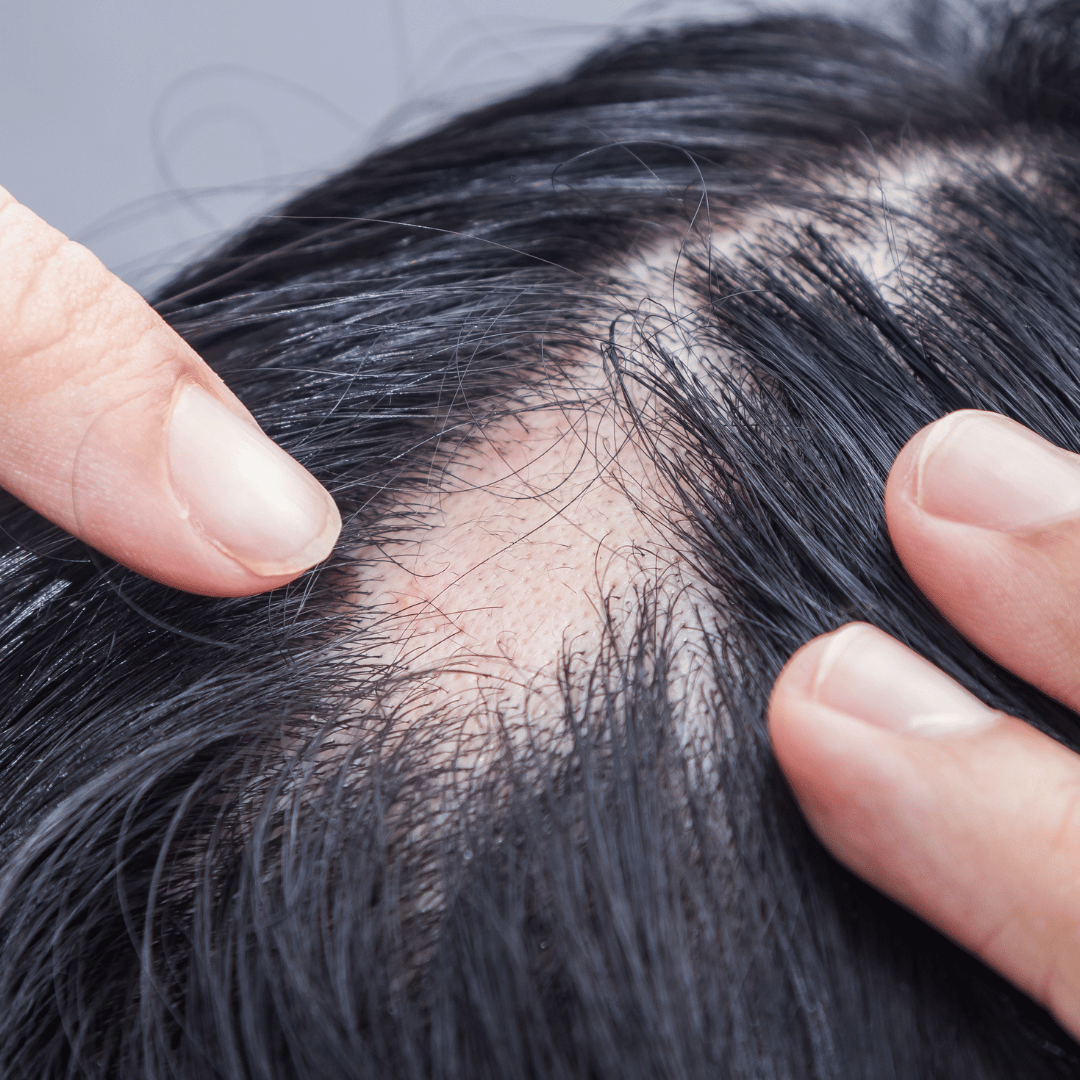
Whether you are dealing with gradual thinning, sudden shedding, or patchy hair loss, we take the time to understand your full picture before recommending any treatment. Early, appropriate intervention makes a meaningful difference to outcomes.
MEDICAL GROUP
The Spierings Medical Group offers specialist assessment and management of alopecia, providing consultant-led care for patients experiencing hair loss across all forms and stages. Alopecia is not a single disease but a group of disorders, and accurate diagnosis is essential because treatment is entirely dependent on identifying the underlying cause.
What is Alopecia?
Alopecia is the medical term for hair loss. It is not a single disease, but a group of disorders characterized by disruption of the normal hair growth cycle. Depending on the underlying cause, hair loss may be temporary or permanent, localized or diffuse.
While often perceived as a cosmetic concern, alopecia is a clinically significant condition that may reflect inflammatory, autoimmune, hormonal, or genetic processes.
What Causes Alopecia?
Hair growth occurs in a cyclical pattern consisting of three main phases: anagen (growth), catagen (transition), and telogen (resting/shedding). Alopecia develops when this cycle is disrupted either through premature shedding, failure of follicles to re-enter the growth phase, or progressive follicular miniaturization. The underlying mechanism varies depending on the type of alopecia, but commonly involves immune dysregulation, hormonal influence, genetic predisposition, or external stressors.
Clinical Types of Alopecia
Alopecia is broadly categorized into non-scarring and scarring forms, depending on whether the hair follicle remains intact.
- Non-Scarring Alopecia - In non-scarring alopecia, the follicle is preserved, making hair regrowth potentially achievable with appropriate treatment.
- Androgenetic Alopecia - The most common form of hair loss, affecting both men and women. It is driven by genetic sensitivity to androgens, leading to gradual miniaturization of hair follicles. Clinically, it presents as a patterned thinning recession at the temples and crown in men, and diffuse thinning over the crown in women.
- Telogen Effluvium - A reactive, diffuse shedding triggered by systemic stressors such as illness, surgery, hormonal changes, or nutritional deficiencies. A larger proportion of hairs prematurely enter the telogen phase, resulting in noticeable shedding several months after the inciting event.
- Alopecia Areata - An autoimmune condition in which the immune system targets hair follicles, leading to well-defined patches of hair loss. In more extensive cases, it may progress to involve the entire scalp or body.
- Scarring (Cicatricial) Alopecia - Scarring alopecia involves permanent destruction of the hair follicle, typically due to inflammatory processes. Early diagnosis is critical, as hair loss in these conditions is irreversible once fibrosis occurs. Examples include lichen planopilaris and frontal fibrosing alopecia, both of which require prompt specialist management to halt progression.
Contributing Factors
The causes of alopecia are diverse and often multifactorial. Key contributing factors include:
- Genetic predisposition, particularly in androgenetic alopecia
- Hormonal influences, including androgen sensitivity and endocrine changes
- Autoimmune activity, as seen in alopecia areata
- Physiological or psychological stress, triggering telogen effluvium
- Nutritional deficiencies, including iron, vitamin D, and protein imbalance
- Inflammatory or dermatological conditions affecting the scalp
Accurate diagnosis is essential, as treatment is highly dependent on identifying the underlying cause.
How is Alopecia Treated?
Management of alopecia is guided by the specific diagnosis, disease severity, and duration. Early intervention improves the likelihood of successful outcomes, particularly in non-scarring forms.
- Topical and Local Therapies - Topical minoxidil remains a first-line treatment for androgenetic alopecia, promoting hair follicle activity and prolonging the growth phase. In inflammatory or autoimmune conditions, topical or intralesional corticosteroids may be used to suppress immune-mediated damage.
- Systemic Treatment - Systemic therapies are considered when hair loss is extensive, progressive, or resistant to topical management. In androgenetic alopecia, oral agents that modulate androgen activity may be introduced in appropriate patients. Autoimmune alopecia may require immunomodulatory treatments depending on severity and extent. For telogen effluvium, management is primarily directed at identifying and correcting the underlying trigger, with reassurance playing a key role, as the condition is often self-limiting once the cause is addressed.
- Adjunctive Scalp and Hair Care - Alopecia management extends beyond pharmacological treatment. A rational, evidence-based approach to scalp care supports overall outcomes. Gentle cleansing and avoidance of unnecessary or potentially irritating products are recommended. Excessive use of cosmetic treatments or unproven hair growth products may contribute to scalp irritation without clinical benefit.
Nutritional optimisation and management of systemic health are also important, particularly in cases linked to deficiency or metabolic imbalance.
Hair loss is often gradual and requires a sustained, consistent approach to treatment. Noticeable improvement may take several months due to the natural duration of the hair growth cycle. In non-scarring alopecia, early and appropriate intervention can stabilize shedding and promote regrowth. In scarring alopecia, the primary goal is to halt disease progression and preserve remaining follicles.

Choosingtherightdoctororclinicshouldn'tfeelrushed.
If you have a question or want to know more before booking, just ask!