Shave Excision
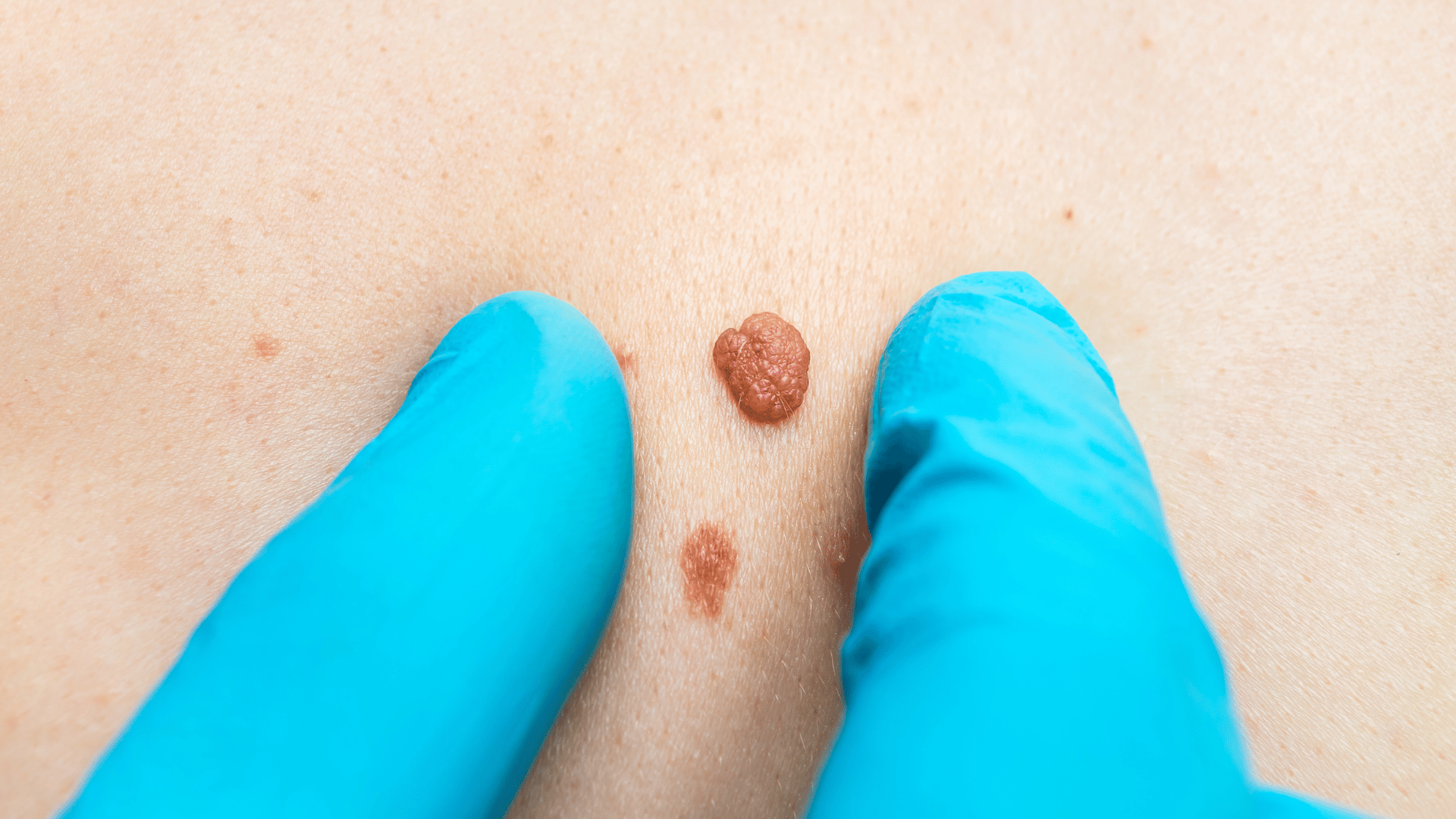
Lesion suitability is determined by clinical assessment. The technique is not appropriate for suspected malignant or deeply invasive lesions, which require full-thickness excision with adequate margins. Expert clinical assessment is the foundation of a safe and successful result.
MEDICAL GROUP
The Spierings Medical Group offers shave excision as a precise minor surgical technique for the removal of elevated skin lesions. Unlike full-thickness elliptical excision, shave excision operates in the superficial layers of the skin without requiring deep wound closure — offering a highly versatile, minimally invasive approach for appropriately selected lesions with excellent cosmetic outcomes and short recovery time.
Minimally Invasive Removal of Raised Skin Lesions — Precision, Care, Exceptional Outcomes
Shave excision is a precise minor surgical technique used to remove elevated skin lesions by carefully shaving them flush with — or marginally below — the surrounding skin surface. Unlike full-thickness elliptical excision, shave excision operates in the superficial layers of the skin without requiring deep wound closure, offering a highly versatile, minimally invasive approach for appropriately selected lesions.
The technique balances efficacy with excellent cosmetic outcomes and short recovery time. Where indicated, removed tissue can be submitted for histopathological examination.
When is Shave Excision Appropriate?
- Raised benign melanocytic naevi (moles) causing cosmetic concern or functional irritation
- Seborrhoeic keratoses — benign pigmented plaques common in adults
- Skin tags (acrochordons) — benign fibrovascular pedunculated growths
- Dermatofibromas and other benign superficial growths
- Selected superficial lesions requiring tissue for diagnostic histology
Lesion suitability is determined by clinical assessment. The technique is not appropriate for suspected malignant or deeply invasive lesions, which require full-thickness excision with adequate margins.
The Procedure, Step by Step
- Step 1 — Local Anaesthesia. The lesion and surrounding skin are numbed with a local anaesthetic injection. Following a brief sting, the procedure itself is entirely comfortable.
- Step 2 — Lesion Removal. A sterile surgical blade removes the lesion at skin level with smooth, controlled strokes. Precision is essential for a cosmetically acceptable result while obtaining sufficient tissue for laboratory analysis where indicated.
- Step 3 — Haemostasis. Minor bleeding following removal is controlled using direct pressure, topical haemostatic agents, or electrocautery as required.
- Step 4 — Natural Healing. Shave excision sites heal by re-epithelialisation — the natural regrowth of skin cells from the wound margins and base. Initial healing typically occurs over 1 to 3 weeks, with residual pink discolouration fading progressively thereafter.
What to Expect
- Duration: 15 to 30 minutes depending on number and size of lesions.
- Anaesthesia: Local — the procedure is painless once effective.
- Sutures: Not required in most cases.
- Downtime: Minimal — normal activities resumable immediately.
- Healing: Initial healing 1 to 3 weeks; redness fades over weeks.
- Sessions: Single session in most cases.
Risks, Preparation, and Aftercare
Shave excision is well tolerated with a favourable safety profile. Potential risks include minor bleeding, infection, temporary pigmentation changes, mild scarring, and the possibility of lesion recurrence — particularly for incompletely removed naevi. Risk varies by lesion type, anatomical site, and individual wound healing characteristics.
Before treatment:
- Inform your dermatologist of all current medications
- Disclose any personal or family history of keloid or hypertrophic scarring
- Avoid applying irritant products to the area
After treatment:
- Keep the area clean
- Apply prescribed emollients where recommended
- Protect the healing site from sun exposure
- Avoid manipulating the wound
- Follow all dressing instructions carefully
Shave excision is a refined technique that offers excellent cosmetic outcomes for appropriately selected raised skin lesions — with minimal procedural complexity and recovery time. Expert clinical assessment is the foundation of a safe and successful result.

Choosingtherightdoctororclinicshouldn'tfeelrushed.
If you have a question or want to know more before booking, just ask!