
Skin Surgery
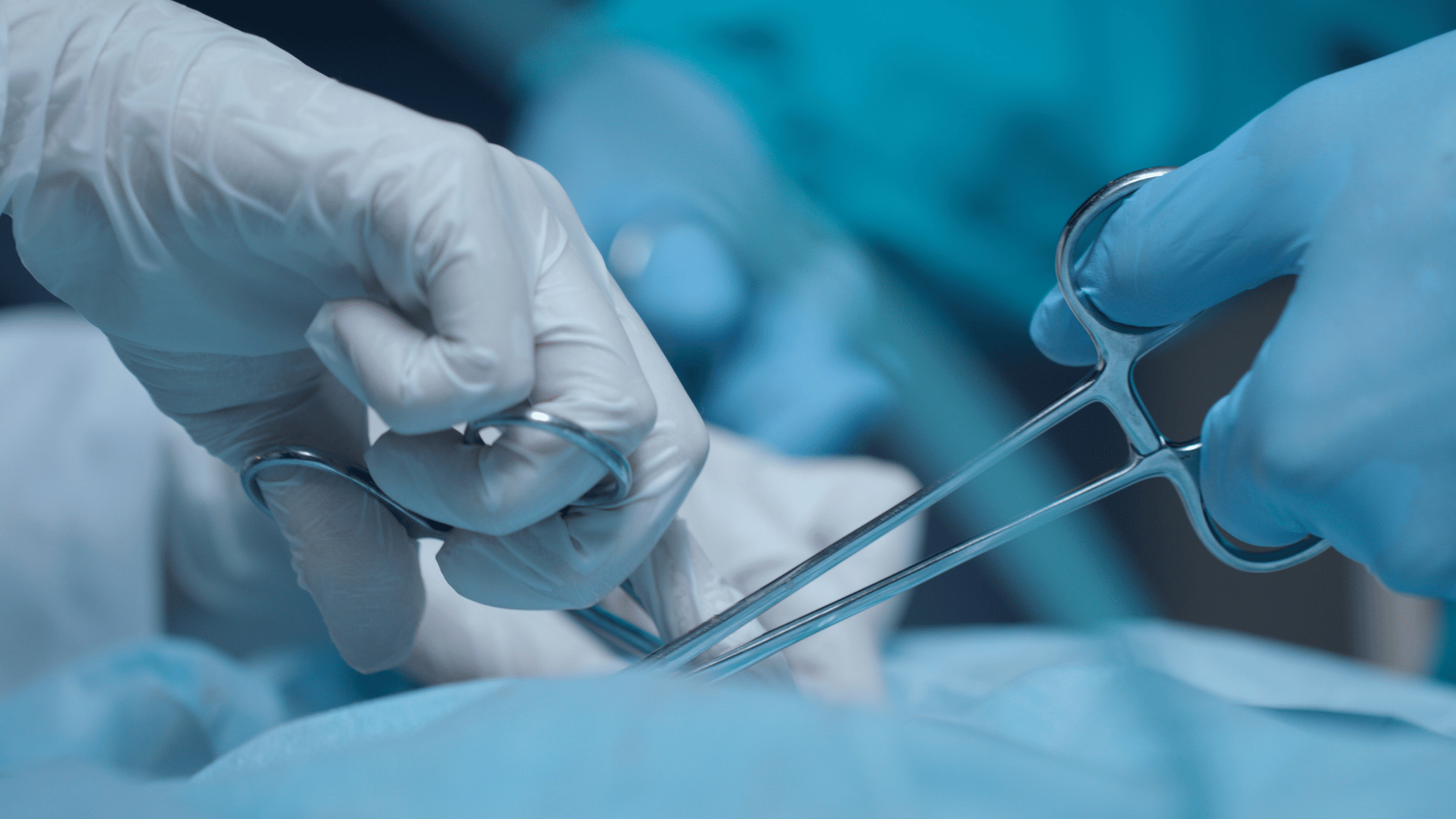
The decision to remove a lesion is guided by clinical assessment, risk evaluation, and diagnostic need — not appearance alone. The aim is to ensure that concerning lesions are appropriately treated, benign lesions are managed proportionately, and unnecessary procedures are avoided.

MEDICAL GROUP
The Spierings Medical Group provides specialist skin surgery, offering a range of minor procedures to diagnose or treat skin lesions — including moles, cysts, lipomas, and skin cancers. Procedures are performed under local anaesthetic using techniques selected to match the clinical diagnosis. This is medicine with a purpose — not just removal.
Precision Removal — Diagnostic, Therapeutic, and Tissue-Sparing
Skin surgery encompasses a range of minor procedures to diagnose or treat skin lesions — including moles, cysts, lipomas, and skin cancers. The most common indication is removal for histological analysis when malignancy is suspected. Procedures are performed under local anaesthetic using techniques selected to match the clinical diagnosis: excision, shave removal, curettage, and more.
Who is This For?
Suitable for individuals who:
- Have a suspicious or changing mole or skin lesion
- Require biopsy for diagnostic confirmation
- Have benign lesions causing discomfort or irritation (cysts, skin tags)
- Have confirmed or suspected skin cancer
- Prefer removal of specific lesions for medical or aesthetic reasons
How it Works
Following clinical assessment, the procedure involves:
- Skin cleansing and preparation
- Administration of local anaesthetic
- Surgical removal using the appropriate technique
- Wound closure with sutures or other methods
- Histological examination of the specimen when indicated
Technique is determined by lesion type, size, location, and suspected diagnosis. Suspected cancers are removed with appropriate margins to ensure complete excision.
Clinically Proven Benefits
- Accurate diagnosis through histological analysis
- Complete removal of suspicious or problematic lesions
- Early-stage treatment of skin cancers
- Relief from irritation or discomfort
- Performed under local anaesthetic with minimal systemic risk
What to Expect
- Pain level: None during the procedure. Mild discomfort after the anaesthetic wears off.
- Downtime: Minimal. Most patients return to normal activities the same day.
- Sessions: Usually a single procedure. Follow-up for wound review or suture removal.
- Session length: Approximately 20 to 60 minutes depending on size and complexity.
- First results: Lesion removed immediately. Histology results in 1 to 2 weeks if required.
- Frequency: As needed, guided by clinical findings.
Preparation and Aftercare
Before treatment:
- Inform your doctor of all medications, especially blood thinners
- Ensure no active infection at the treatment site
- Follow any specific pre-procedure instructions
After treatment:
- Keep the area clean and dry as directed
- Follow wound care instructions carefully
- Avoid strenuous activity if it may affect the wound
- Attend follow-up for suture removal
Clinical Insight
The decision to remove a lesion is guided by clinical assessment, risk evaluation, and diagnostic need — not appearance alone. The aim is to ensure that concerning lesions are appropriately treated, benign lesions are managed proportionately, and unnecessary procedures are avoided.

Choosingtherightdoctororclinicshouldn'tfeelrushed.
If you have a question or want to know more before booking, just ask!