
Folliculitis
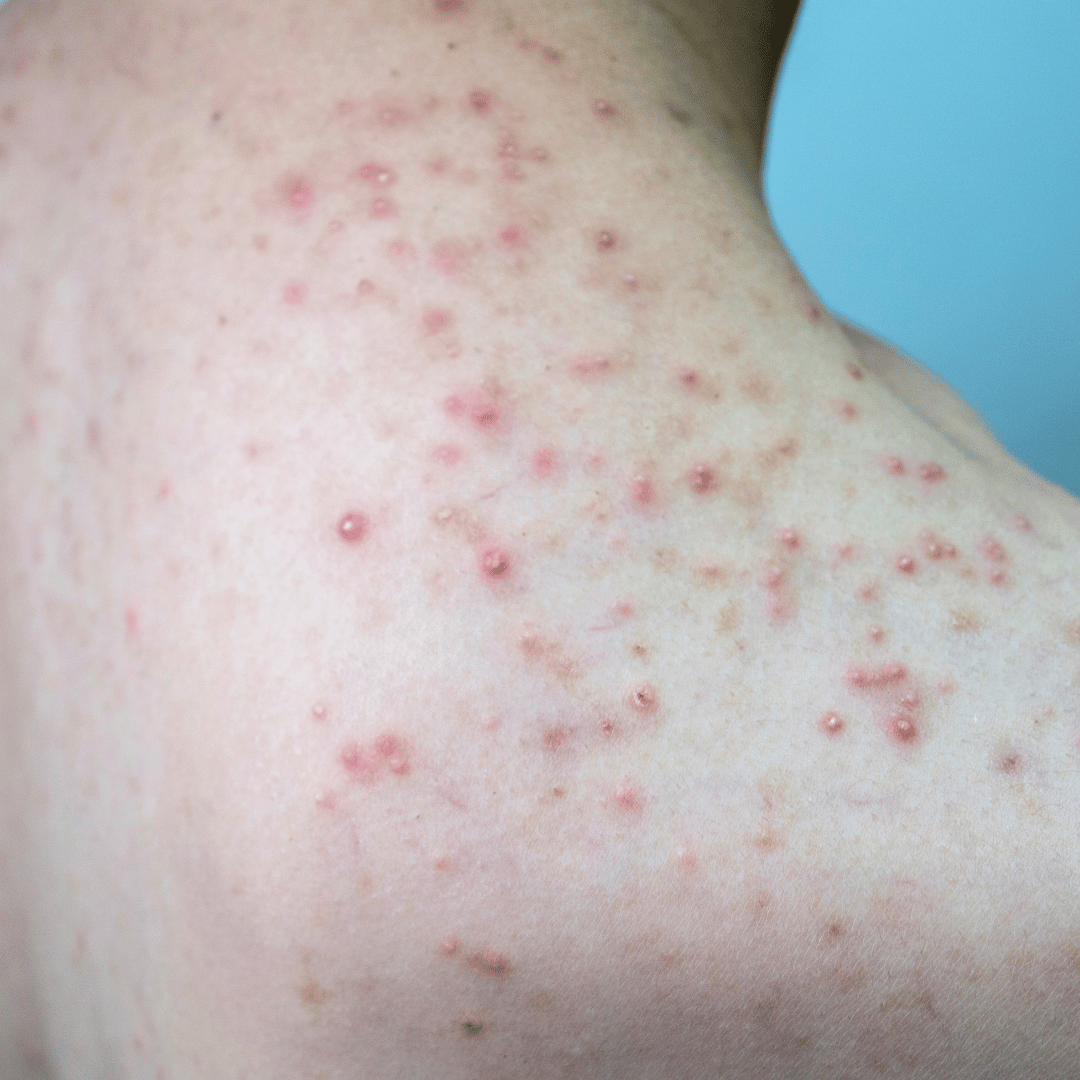
We distinguish between bacterial, fungal, and non-infectious forms of folliculitis before making any treatment recommendations, ensuring that every patient receives care that is genuinely targeted to the cause rather than a generic approach that may not help.

MEDICAL GROUP
The Spierings Medical Group provides specialist diagnosis and management of folliculitis, offering consultant-led care for patients with recurrent or persistent inflammation of the hair follicle. Accurate diagnosis is central to effective management, as the underlying cause varies significantly and misidentifying it leads to inappropriate treatment.
What is Folliculitis?
Folliculitis is an inflammatory condition of the hair follicle, presenting as small, erythematous or pustular lesions centred around individual hairs. It may occur anywhere on the body where hair follicles are present, most commonly affecting the face, scalp, neck, chest, back, and thighs.
Although often perceived as a minor or cosmetic concern, folliculitis represents a disruption of the follicular unit, where inflammation may be driven by infection, irritation, or occlusion. In many cases, the condition is superficial and self-limiting. However, recurrent or persistent folliculitis may indicate an underlying predisposition or contributing factor that requires targeted management.
What are the Types of Folliculitis?
Folliculitis can be broadly categorised based on its underlying cause and depth of involvement.
- Bacterial Folliculitis - Most commonly caused by Staphylococcus aureus, this presents as small pustules or inflamed bumps surrounding hair follicles. It may occur following shaving, friction, or minor skin trauma.
- Pseudofolliculitis (Ingrown Hairs) - Rather than infection, this form is caused by hairs re-entering the skin, leading to a foreign body inflammatory response. It is commonly seen in areas subjected to frequent shaving.
- Malassezia (Yeast) Folliculitis - Driven by an overgrowth of yeast, this presents as uniform, itchy papules and pustules, typically on the chest, back, or shoulders. It is often mistaken for acne but requires a different therapeutic approach.
- Irritant or Occlusive Folliculitis - Occurs when follicles are blocked or irritated by sweat, oils, or occlusive products. It may develop in areas exposed to heat, friction, or tight clothing.
- Deep Folliculitis (Furuncles and Carbuncles) - More extensive infection of the follicle leading to deeper, painful nodules. These may require medical intervention due to the risk of spreading infection.
What Causes Folliculitis?
At its core, folliculitis arises from disruption of the normal follicular environment. The hair follicle is a dynamic structure, sensitive to microbial colonisation, mechanical stress, and changes in the skin barrier. When this balance is disturbed, inflammation develops around the follicle. In bacterial forms, microorganisms invade the follicular opening, triggering an immune response. In non-infectious types, physical factors such as friction, occlusion, or abnormal hair growth patterns initiate inflammation.
Not all folliculitis is infectious. Misidentifying the underlying cause can lead to inappropriate treatment, particularly when inflammatory or yeast-driven forms are mistaken for acne.
Folliculitis is multifactorial, with both external and internal contributors:
- Microbial factors - Bacteria or yeast colonisation within the follicle
- Mechanical irritation - Shaving, friction, or pressure disrupting the follicular opening
- Occlusion and heat - Sweat, tight clothing, and occlusive skincare products
- Skin barrier disruption - Overuse of harsh cleansers or exfoliants
- Hair type and growth pattern - Curved or coarse hair increases the risk of ingrown hairs
- Immune and systemic factors - Reduced immune defence or underlying conditions may predispose to recurrent infection
How is Folliculitis Treated?
Management is guided by the underlying cause and severity, with an emphasis on targeted rather than indiscriminate treatment.
- Topical Therapy - Antibacterial or antifungal treatments may be used depending on the identified cause. Anti-inflammatory agents may also be introduced to reduce irritation.
- Oral Medication - In more extensive or persistent cases, oral antibiotics or antifungal agents may be required to control infection.
- Modification of Contributing Factors - Adjusting shaving techniques, reducing friction, and avoiding occlusive products are often essential components of management.
- Procedural Options - In recurrent cases, particularly those related to ingrown hairs, laser hair reduction may be considered to reduce follicular irritation over time.
Accurate diagnosis is central to effective management. Most cases respond well to appropriate intervention once the underlying trigger is identified. However, recurrent folliculitis may require a broader evaluation of lifestyle, skincare practices, and individual predisposition.
A balanced approach to skincare is essential. Over-cleansing, aggressive exfoliation, and heavy occlusive products may all contribute to follicular irritation. Maintaining a stable skin barrier, minimising unnecessary trauma, and selecting appropriate products can significantly reduce recurrence. In warmer climates, attention to sweat management and breathable clothing also plays a role in prevention.

Choosingtherightdoctororclinicshouldn'tfeelrushed.
If you have a question or want to know more before booking, just ask!