
Viral Warts
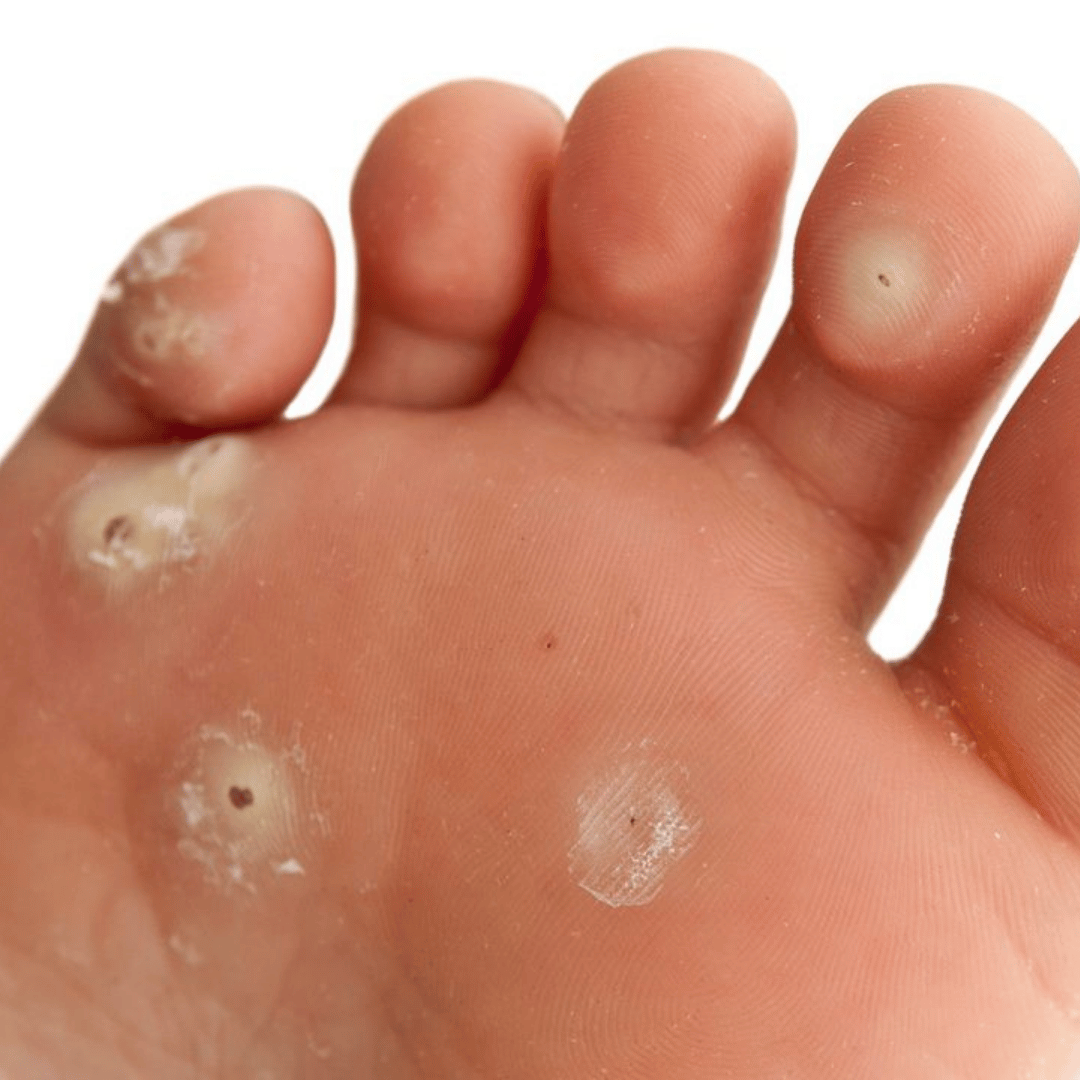
We tailor our approach to the type, location, and extent of the warts as well as the patient's immune status, selecting from topical, procedural, and immune-based strategies to achieve the most effective outcome.

MEDICAL GROUP
The Spierings Medical Group provides specialist diagnosis and management of viral warts, offering consultant-led care for patients with common, plantar, flat, filiform, or other HPV-related wart types. While warts are benign and may resolve spontaneously, treatment is often sought due to persistence, spread, discomfort, or cosmetic concern.
What are Viral Warts?
Viral warts are benign skin growths caused by infection with the human papillomavirus (HPV). They are a common dermatological condition affecting people of all ages, particularly children and young adults.
Warts can appear anywhere on the skin but are most frequently seen on the hands, fingers, feet, and occasionally on the face or genital area. While harmless, they can be persistent, cosmetically concerning, and occasionally uncomfortable, especially on weight-bearing areas such as the soles of the feet.
What Causes Viral Warts?
Viral warts develop when HPV infects the epidermis through small breaks in the skin. Once inside, the virus triggers uncontrolled proliferation of keratinocytes, the primary cells of the outer skin layer, resulting in the characteristic thickened lesion.
Key factors influencing wart formation include:
- Skin trauma - Minor cuts, abrasions, or areas of friction make the skin more susceptible to HPV entry
- Immune response - People with weaker or suppressed immune systems may develop more extensive or persistent warts. Conversely, many healthy individuals can clear warts spontaneously over time
- Viral type - Over 100 HPV subtypes exist, but a limited number are responsible for common cutaneous warts. Different types influence location, appearance, and persistence
- Environmental exposure - Direct contact with HPV via skin-to-skin contact or shared surfaces such as showers or gym equipment can spread infection, although not all exposures lead to warts
What are the Types of Viral Warts?
Warts are classified according to location and morphology.
- Common warts (verruca vulgaris) - Rough, raised lesions often found on the hands, fingers, or knees. Typically dome-shaped with a rough surface. Small black dots (seed warts) represent thrombosed capillaries.
- Plantar warts (verruca plantaris) - Found on the soles of the feet. Often flat or slightly depressed due to pressure from walking. Can be painful when weight is applied.
- Flat warts (verruca plana) - Smooth, small, slightly raised lesions. Often appear in clusters on the face, forehead, or back of the hands.
- Filiform warts - Long, narrow projections, often on the face around the mouth or eyelids.
- Genital warts (condylomata acuminata) - Caused by specific HPV types. Typically soft, flesh-coloured or slightly pigmented, sometimes forming cauliflower-like clusters. Considered sexually transmitted and may require specialist management.
How are Viral Warts Treated?
Most warts are benign and may resolve spontaneously within months to years. However, treatment is often sought due to cosmetic concerns, discomfort, or rapid spread. Treatment strategies fall into topical, procedural, and immune-modulating approaches, tailored to the type, location, and patient's immune status.
- Topical Treatments - Consistency and patient adherence are critical:
- Salicylic acid preparations are keratolytic, promoting gradual removal of wart tissue
- Cantharidin (applied in clinic) causes blistering and aids lesion removal
- Procedural Treatments - Performed by a trained clinician:
- Cryotherapy freezes lesions with liquid nitrogen to induce cell destruction
- Electrosurgery or curettage involves physical removal, sometimes combined with topical therapy
- Laser therapy uses targeted energy to destroy wart tissue and is considered for resistant cases
- Immune-Based Therapies - Particularly useful for recurrent or widespread warts:
- Imiquimod or intralesional immunotherapy stimulates the body's immune system to recognise and attack HPV-infected cells
- Prevention and Supportive Care:
- Avoid picking or scratching warts to reduce spread
- Keep feet dry and wear footwear in communal areas to minimise plantar wart transmission
- Good hand hygiene and limiting direct contact with warts can reduce risk of spreading to others
Viral warts are a common manifestation of HPV infection, but with evidence-based management, they can be effectively treated or resolved.

Choosingtherightdoctororclinicshouldn'tfeelrushed.
If you have a question or want to know more before booking, just ask!