
Eczema (Atopic Dermatitis)
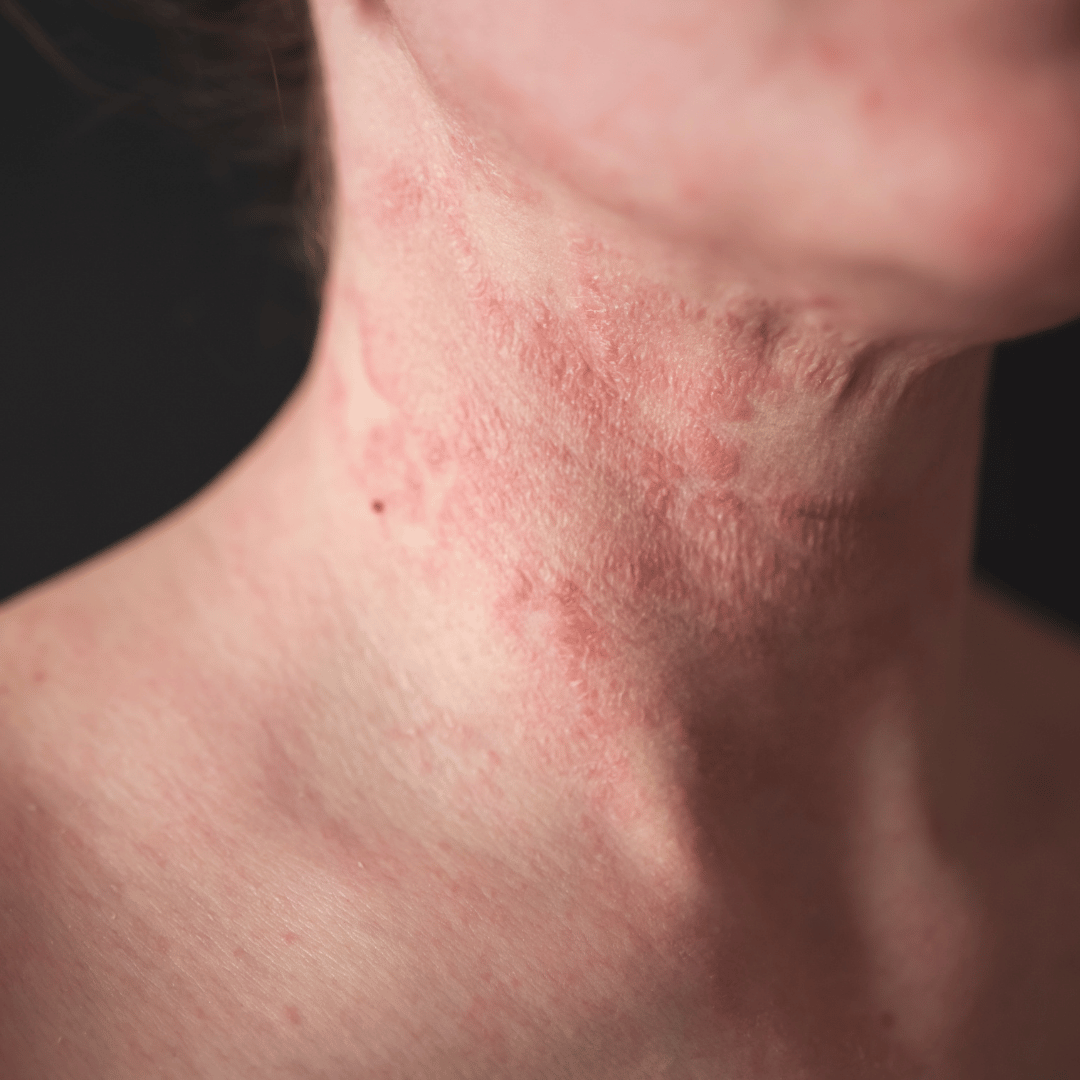
We address both the underlying barrier impairment and the inflammatory activity driving flares, ensuring patients have a clear, practical plan that supports long-term control and reduces the frequency and severity of episodes.

MEDICAL GROUP
The Spierings Medical Group provides specialist diagnosis and management of eczema, offering consultant-led care for patients with atopic dermatitis and related conditions. Eczema is a chronic inflammatory skin condition driven by barrier dysfunction and immune dysregulation, and it requires a structured, long-term management approach rather than intermittent or reactive treatment.
What is Eczema?
Eczema, or atopic dermatitis, is a chronic inflammatory skin condition characterised by dysfunction of the skin barrier. It is not simply a matter of dryness, but a disorder in which the skin's protective outer layer is unable to retain moisture effectively or defend against external irritants.
In healthy skin, the outermost layer (stratum corneum) functions as a structured barrier retaining hydration while preventing the entry of allergens, microbes, and irritants. In eczema-prone skin, this barrier is compromised. Increased transepidermal water loss leads to dryness, while environmental triggers penetrate more easily, initiating inflammation.
This results in the characteristic itch-scratch cycle, where itching leads to scratching, further damaging the barrier and perpetuating inflammation. Eczema is often associated with other atopic conditions, including asthma and allergic rhinitis, reflecting its basis in systemic immune dysregulation.
What are the Types of Eczema?
Eczema is a broad clinical term encompassing several related conditions, each with distinct triggers and patterns.
- Atopic Dermatitis - The most common form, typically associated with a genetic predisposition and often present in childhood. It frequently coexists with other atopic conditions.
- Contact Dermatitis - Occurs when the skin reacts to an external substance. Irritant contact dermatitis results from direct damage (e.g. soaps, detergents). Allergic contact dermatitis involves a delayed immune reaction (e.g. nickel, fragrances).
- Dyshidrotic Eczema - Characterised by small, intensely itchy vesicles on the hands and feet, particularly along the fingers and soles.
- Seborrhoeic Dermatitis - Affects areas rich in sebaceous glands, such as the scalp and face. It is associated with an inflammatory response to Malassezia yeast.
- Discoid (Nummular) Eczema - Presents as well-defined, coin-shaped patches that may be mistaken for fungal infection due to their appearance.
What Causes Eczema?
Eczema arises from an interplay between structural barrier dysfunction and immune overactivity. A key factor in many patients is reduced expression of filaggrin, a protein essential for maintaining skin barrier integrity. This deficiency weakens the skin's ability to retain moisture and resist external irritants.
At the same time, the immune system becomes hyper-responsive, reacting excessively to otherwise harmless environmental triggers. This leads to inflammation, redness, and pruritus. Alterations in the skin microbiome also play a role. Overgrowth of organisms such as Staphylococcus aureus can further disrupt the barrier and exacerbate inflammation.
Eczema develops through a combination of intrinsic susceptibility and external triggers:
- Genetic factors - Including filaggrin deficiency and inherited barrier weakness
- Immune dysregulation - Leading to exaggerated inflammatory responses
- Environmental triggers - Such as soaps, detergents, temperature changes, and allergens
- Microbial imbalance - Increased colonisation with certain bacteria
- Lifestyle factors - Stress, sweating, and friction may contribute to flare-ups
How is Eczema Treated?
Management is centred on two parallel priorities: restoring the skin barrier and controlling inflammation.
- Barrier Repair - Consistent barrier support is fundamental to long-term control:
- Emollient therapy - Ointment-based formulations are generally preferred due to their higher lipid content and superior ability to reduce water loss
- Soap substitution - Traditional cleansers can disrupt the skin barrier. Use of non-foaming, emollient-based cleansers helps preserve skin integrity
- Anti-Inflammatory Therapy - During active flares, targeted treatment is required:
- Topical corticosteroids remain the primary treatment to suppress inflammation. Selection of potency is guided by body site and severity
- Topical calcineurin inhibitors are non-steroidal agents suitable for sensitive areas and long-term management
- Systemic and Advanced Therapies - In moderate to severe disease:
- Systemic medications are used to control widespread inflammation
- Biologic therapies are targeted treatments that block specific immune pathways involved in eczema
Eczema is a chronic, relapsing condition requiring structured, long-term management rather than intermittent treatment. Flare control alone is insufficient without ongoing barrier maintenance. Similarly, reliance on non-medical or natural remedies may delay appropriate treatment and, in some cases, worsen the condition due to irritant or allergenic components. Accurate diagnosis is also essential, particularly in distinguishing atopic eczema from contact dermatitis, where trigger identification may significantly alter management.
Long-term control depends on maintaining barrier integrity, identifying triggers, and adapting treatment as needed over time.

Choosingtherightdoctororclinicshouldn'tfeelrushed.
If you have a question or want to know more before booking, just ask!