
Hydroquinone
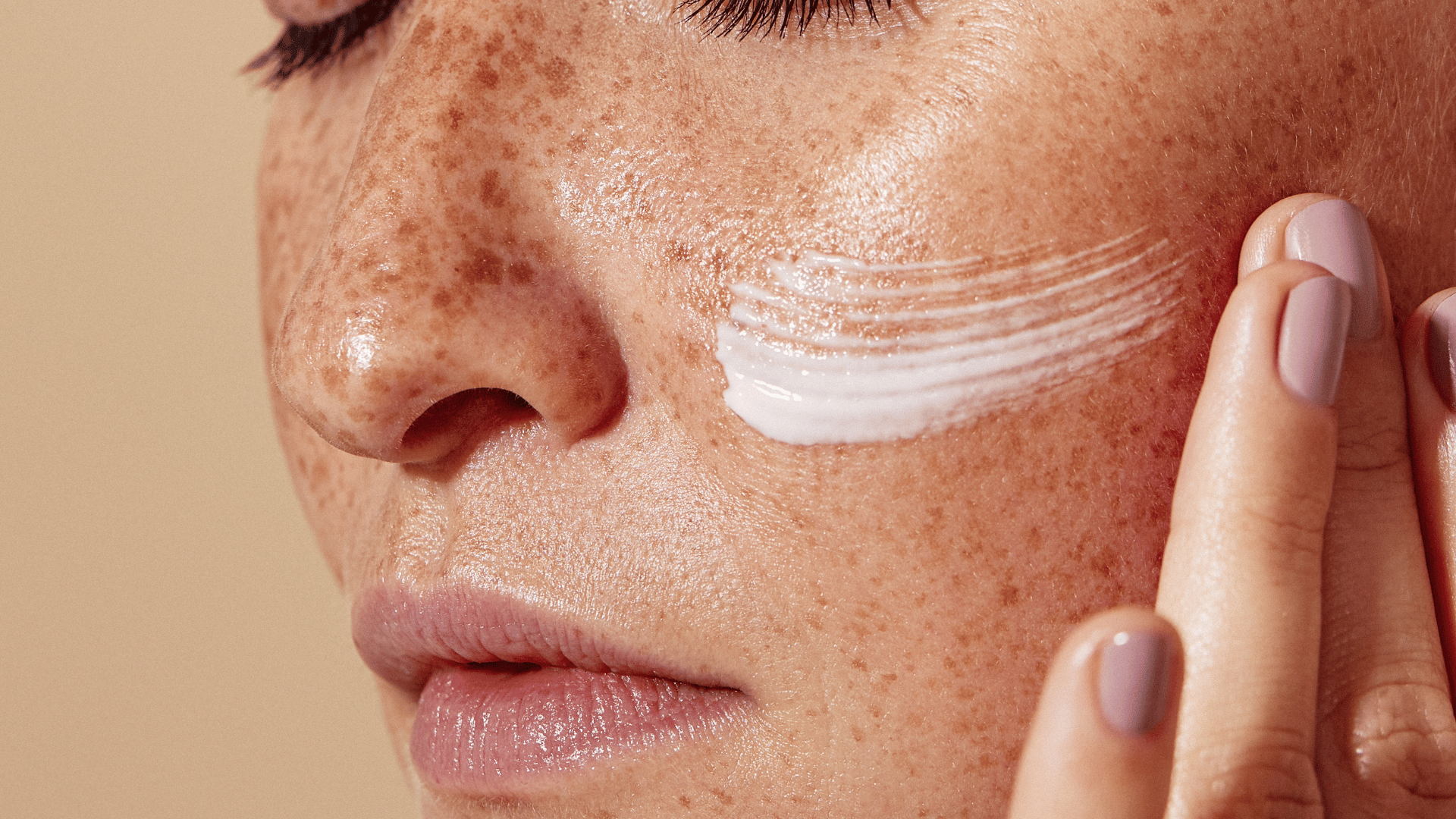
Correct diagnosis of pigmentation type is essential before treatment begins. Not all pigment responds to hydroquinone, and an accurate assessment determines whether it is the right approach for your specific concern.

MEDICAL GROUP
The Spierings Medical Group prescribes hydroquinone as part of a consultant-led approach to pigmentation treatment, offering evidence-based topical therapy for melasma, post-inflammatory hyperpigmentation, and sun-related dark spots. Hydroquinone works by inhibiting tyrosinase — a key enzyme in melanin production — reducing the formation of excess pigment. Used for decades, it remains a first-line option when used appropriately under medical supervision.
Evidence-Based Depigmentation — Precisely Targeting Overactive Melanin Production
Hydroquinone is one of dermatology's most studied and effective topical treatments for hyperpigmentation. It works by inhibiting tyrosinase — a key enzyme in melanin production — reducing the formation of excess pigment. Used for decades to treat melasma, post-inflammatory hyperpigmentation, and sun-related dark spots, it remains a first-line option when used appropriately under medical supervision.
Who is This For?
Suitable for individuals with:
- Melasma or hormonally driven pigmentation
- Post-inflammatory hyperpigmentation (e.g. after acne)
- Uneven skin tone or localised dark patches
- A need for targeted pigment treatment, not general skincare
Not appropriate for long-term, unsupervised use or highly sensitive skin without guidance. Correct diagnosis of pigmentation type is essential — not all pigment responds to hydroquinone.
How it Works
Hydroquinone inhibits tyrosinase within melanocytes, reducing the conversion of tyrosine to melanin. This leads to gradual lightening of areas with excess pigmentation. It does not bleach the skin — it normalises overactive pigment production. Improvement occurs progressively as pigmented cells are replaced through natural skin turnover.
Clinically Proven Benefits
- One of the most effective treatments for hyperpigmentation
- Targets the underlying mechanism of melanin overproduction
- Significantly improves melasma and post-inflammatory pigmentation
- Supported by long-standing clinical evidence
- Can be combined with other treatments for enhanced results
What to Expect
- Pain level: None. Some patients experience mild irritation or sensitivity.
- Downtime: None. Mild dryness or irritation does not usually interfere with daily activities.
- Application: Topical, applied at home as part of a prescribed regimen.
- First results: Gradual improvement typically seen over 6 to 12 weeks.
- Frequency: Once daily or as directed.
Risks and Considerations
Potential side effects include skin irritation, redness, dryness, or temporary worsening of pigmentation. Exogenous ochronosis — a rare condition involving paradoxical darkening — is associated with prolonged, unsupervised use at high concentrations, not with medically guided treatment cycles. Sun protection is non-negotiable; UV exposure counteracts treatment and worsens pigmentation.
Preparation and During Treatment
Before treatment:
- Confirm correct diagnosis of pigmentation type
- Introduce gradually if skin is prone to sensitivity
During treatment:
- Use consistently as prescribed
- Avoid combining with irritating products unless advised
- Daily broad-spectrum sunscreen is essential throughout
Clinical Insight
Hydroquinone is often discussed as controversial — but this relates to misuse, not the medication itself. From an evidence-based perspective, it remains a first-line treatment for hyperpigmentation when used in the right patient, at the right dose, for the right duration. The goal is to reset abnormal pigment production, then maintain results through sun protection and appropriate ongoing treatment with hydroquinone.

Choosingtherightdoctororclinicshouldn'tfeelrushed.
If you have a question or want to know more before booking, just ask!