
Hidradenitis Suppurativa
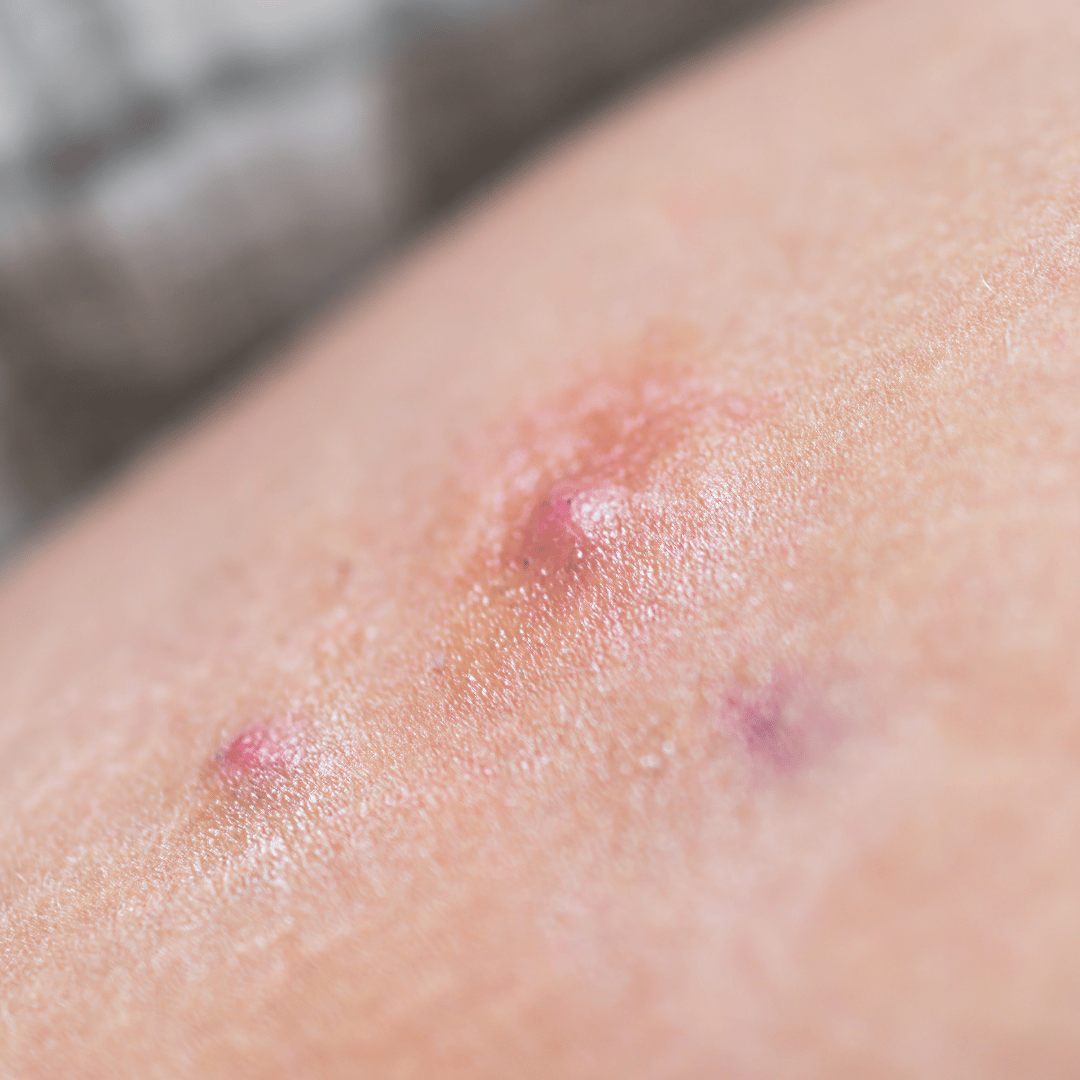
We take HS seriously and approach it with the clinical depth it demands. From early nodular disease through to advanced scarring and sinus tract formation, we develop honest, evidence-based plans that prioritise long-term disease control and quality of life.

MEDICAL GROUP
The Spierings Medical Group provides specialist diagnosis and long-term management of hidradenitis suppurativa, offering consultant-led care for patients at all stages of this chronic inflammatory disorder. HS is frequently misdiagnosed and undertreated, with many patients waiting years before receiving the correct diagnosis and an appropriate management plan.
What is Hidradenitis Suppurativa?
Hidradenitis suppurativa (HS) is a chronic, inflammatory disorder of the hair follicle that presents with recurrent, painful nodules in areas where skin surfaces are in close contact. Most commonly the axillae, groin, perineal region, and inframammary folds.
It is frequently misunderstood. HS is not a condition of poor hygiene, nor is it a simple infection. Rather, it represents a disorder of follicular occlusion and immune dysregulation, in which the hair follicle becomes blocked, inflamed, and prone to rupture beneath the skin. This rupture releases keratin and bacterial components into the surrounding tissue, triggering a significant inflammatory response. Clinically, this manifests as tender nodules, abscesses, and, over time, the formation of interconnected sinus tracts and scarring.
The condition is often relapsing and progressive, with periods of flare and partial remission.
What are the Stages of Hidradenitis Suppurativa?
HS is clinically classified using the Hurley staging system, which reflects disease severity and guides management.
- Hurley Stage I - Characterised by isolated or multiple inflammatory nodules or abscesses without scarring or sinus tract formation. Lesions may be mistaken for recurrent boils or ingrown hairs.
- Hurley Stage II - Recurrent lesions with the development of sinus tracts (subcutaneous tunnels) and early scarring. Inflammation becomes more persistent, and lesions may recur in the same areas.
- Hurley Stage III - Diffuse or near-complete involvement of a region, with extensive interconnected sinus tracts, chronic inflammation, and significant scarring. This stage is associated with substantial physical and functional impact.
What Causes Hidradenitis Suppurativa?
HS is fundamentally a disease of the hair follicle, driven by a combination of structural blockage and an exaggerated immune response. The initial event is occlusion of the follicular unit, leading to dilatation and eventual rupture. This process initiates a cascade of inflammation involving both innate and adaptive immune pathways. Genetic predisposition is recognised in a proportion of patients, suggesting an inherited susceptibility to follicular dysfunction. Hormonal influences, particularly androgens, may further modulate follicular activity.
HS is not primarily an infectious process. While bacteria are involved secondarily, the condition is driven by inflammation and follicular pathology rather than infection alone.
The development of HS is multifactorial, involving both intrinsic susceptibility and external modifiers:
- Genetic predisposition - A family history is reported in a significant proportion of cases
- Hormonal influence - Disease activity may fluctuate with hormonal changes, particularly in female patients
- Immune dysregulation - An exaggerated inflammatory response contributes to lesion formation and persistence
- Mechanical factors - Friction and pressure in intertriginous areas can exacerbate follicular disruption
- Lifestyle factors - Smoking and increased body weight are associated with greater disease severity, though not causative
How is Hidradenitis Suppurativa Treated?
Management is guided by disease stage, extent, and impact, with an emphasis on early intervention to prevent progression.
- Topical and Localised Therapy - In early-stage disease:
- Topical antibiotics may be used to reduce inflammation and bacterial colonisation
- Antiseptic cleansers can support reduction of surface microbial load
- Systemic Medical Therapy - For recurrent or more extensive disease:
- Oral antibiotics are used primarily for their anti-inflammatory properties rather than purely antimicrobial effect
- Hormonal therapy may be beneficial in selected patients by reducing androgen-driven follicular activity
- Biologic therapy uses targeted treatments that inhibit key inflammatory mediators (such as TNF-alpha) in moderate to severe disease
- Procedural and Surgical Management - Where structural changes have developed:
- Incision and drainage provides temporary relief of acute abscesses
- Deroofing or excision removes sinus tracts or affected tissue to reduce recurrence in localised areas
It is important to recognise that established sinus tracts do not respond to medical therapy alone.
Hidradenitis suppurativa is frequently under-recognised and misdiagnosed, often leading to delays in appropriate treatment. Early lesions may resemble simple infections, but repeated recurrence in characteristic areas should prompt further evaluation. The condition can have a significant physical and psychological impact, particularly when pain, scarring, and chronicity are present.
Supportive measures focus on minimising mechanical irritation and maintaining skin integrity. Loose-fitting clothing, reduction of friction, and gentle skin care practices may help reduce flare frequency. However, these measures are adjunctive and do not replace medical treatment. Ongoing follow-up allows for timely adjustment of therapy and improved long-term disease control.

Choosingtherightdoctororclinicshouldn'tfeelrushed.
If you have a question or want to know more before booking, just ask!