
Mohs Micrographic Surgery
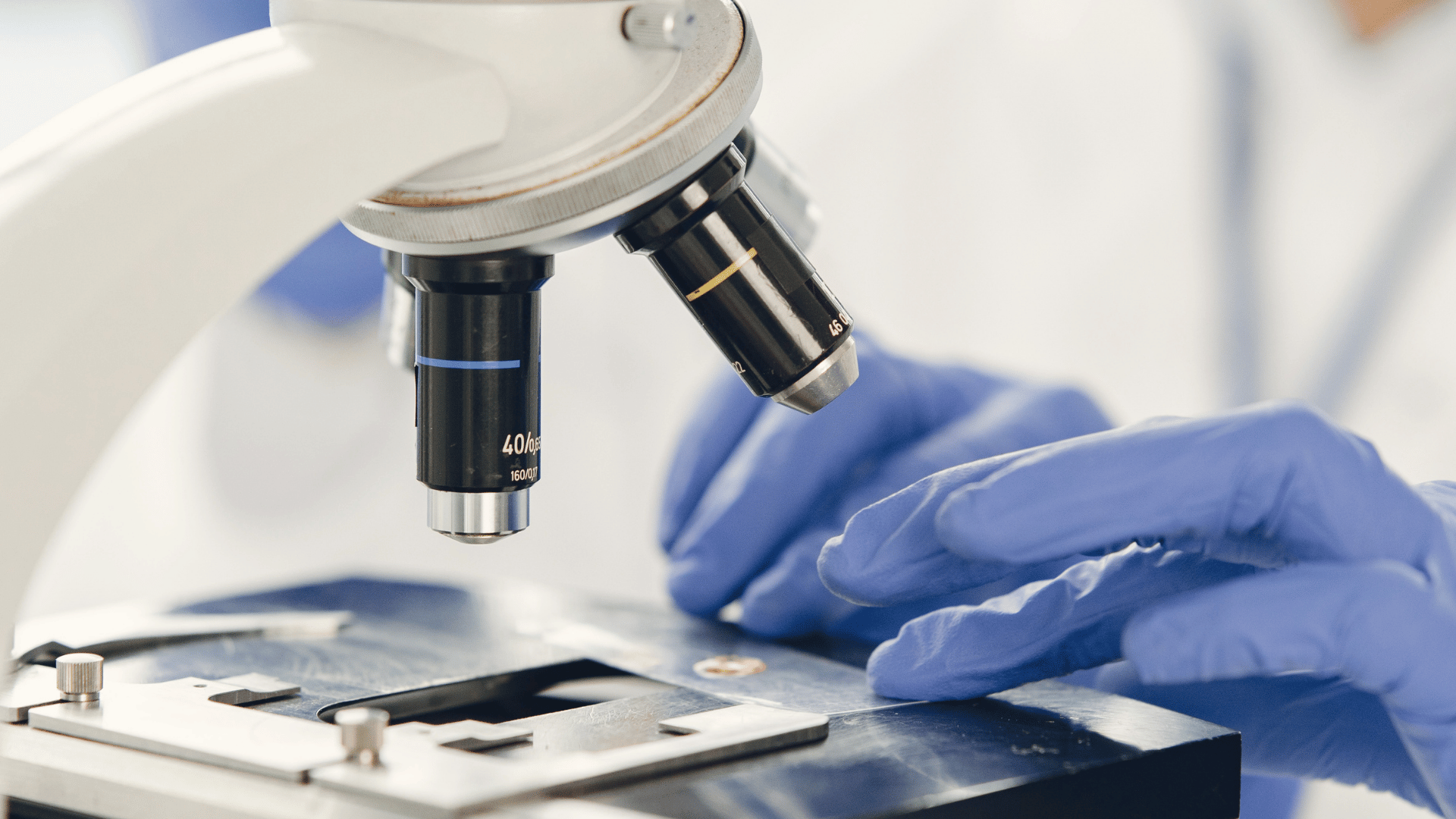
Mohs is not used indiscriminately. It is reserved for cases where its accuracy and tissue-sparing advantages provide clear clinical benefit, and every patient is assessed carefully before a recommendation is made.

MEDICAL GROUP
The Spierings Medical Group provides Mohs micrographic surgery, a specialised surgical technique for treating skin cancer with unmatched precision. It involves the stepwise removal and immediate microscopic examination of cancerous tissue — confirming complete clearance while preserving the maximum amount of healthy skin. Cure rates exceed those of conventional excision, making it the treatment of choice for high-risk or facial skin cancers.
The Gold Standard in Skin Cancer Removal — Precise, Complete, and Tissue-Sparing
Mohs micrographic surgery is a specialised surgical technique for treating skin cancer with unmatched precision. It involves the stepwise removal and immediate microscopic examination of cancerous tissue — confirming complete clearance while preserving the maximum amount of healthy skin. Cure rates exceed those of conventional excision, making it the treatment of choice for high-risk or facial skin cancers.
Who is This For?
Mohs surgery is typically recommended for:
- Basal cell carcinoma (BCC) and squamous cell carcinoma (SCC)
- Skin cancers in cosmetically or functionally sensitive areas — face, nose, eyelids, lips, ears
- Recurrent or previously treated skin cancers
- Tumours with ill-defined borders or aggressive subtypes
How it Works
The procedure follows a methodical, staged process:
- The visible tumour is removed under local anaesthesia
- Tissue is processed and examined microscopically in horizontal sections
- If cancer cells remain, their exact location is mapped
- Additional tissue is removed only from areas where cancer persists
- The cycle repeats until the margins are completely clear
This ensures 100% margin analysis — something standard excision cannot offer.
Clinically Proven Benefits
- Highest cure rates for common skin cancers
- Maximum preservation of healthy surrounding tissue
- Lower risk of recurrence versus standard excision
- Same-day confirmation of complete removal
- Optimal cosmetic and functional outcomes, especially on the face
What to Expect
- Pain level: Performed under local anaesthetic. Mild discomfort may occur afterwards.
- Downtime: Most patients resume normal activities within a few days.
- Sessions: Typically completed in a single visit, though multiple stages occur that day.
- Session length: Several hours, as each stage requires tissue analysis before proceeding.
- First results: Cancer removal confirmed on the day. Cosmetic healing continues over weeks to months.
- Follow-up: Regular skin checks are essential, as one skin cancer increases the risk of others.
Wound Reconstruction
Once clear margins are confirmed, the wound may be left to heal naturally, closed with sutures, or reconstructed using a skin flap or graft — depending on the size, depth, and location of the site. The goal is the best possible functional and cosmetic outcome.
Preparation and Aftercare
Before treatment:
- Inform your doctor of all medications
- Plan for the procedure to take several hours
- Arrange post-operative support if needed
After treatment:
- Keep the wound clean and follow dressing instructions carefully
- Avoid strenuous activity initially
- Attend all follow-up appointments
- Use sun protection consistently
Clinical Insight
Mohs is not used indiscriminately — it is reserved for cases where its accuracy and tissue-sparing advantages provide clear clinical benefit. It is the most effective tool available for ensuring complete tumour clearance in anatomically sensitive areas.

Choosingtherightdoctororclinicshouldn'tfeelrushed.
If you have a question or want to know more before booking, just ask!